

Key Takeaways
Buying an engine computer in Australia is less about finding the cheapest box and more about matching the right hardware, software, security system, and installation process.
- Confirm the vehicle details and ECU part number before ordering.
- Ask whether the unit is new, remanufactured, used, or aftermarket.
- Include programming, immobiliser pairing, freight, and fitting in the budget.
- Use a seller or technician who can support the unit after purchase.
- Check emissions, roadworthiness, and modification requirements before installation.
Understand which engine computer you need
The phrase “engine computer” can refer to several related control modules, and sellers may use the terms differently. Before comparing suppliers, identify what your vehicle actually needs and whether the fault has been correctly diagnosed. A replacement module is not automatically the answer to every no-start, warning-light, or drivability problem.
ECU, ECM, and PCM explained
An ECU, or engine control unit, manages electronic engine functions such as fuel delivery and ignition timing. ECM is another common term for an engine control module, while PCM generally refers to a powertrain control module that may also manage transmission functions. The terminology varies by manufacturer, so the label on a listing is less useful than the vehicle application and part number.
A useful overview of the component’s role is available in this ECU and ECM guide. It also explains why a used module may require more than simply plugging it into the vehicle.
OEM versus aftermarket engine computers
An OEM computer is designed for a particular vehicle configuration and usually offers the most direct path to factory calibration and communication with other modules. An aftermarket ECU may provide different tuning or motorsport functions, but it must be suitable for the intended use and installed with the right sensors, wiring, and calibration process.
For competition applications, Haltech documents products intended for sanctioned, non-emissions-controlled vehicles and says they are prohibited for public-road use unless a specific regulatory exemption applies. That is a very different purchasing decision from replacing a factory module in a road car.
Matching the computer to your vehicle
Start with the make, model, build year, engine code, transmission, and drive configuration. Two vehicles that look identical may use different controllers because of a mid-year change, a different market specification, or a separate emissions and security system. The vehicle identification number can help a dealer or specialist confirm the original configuration.
Do not rely on a photograph that merely looks similar. Ask the seller to confirm the exact application in writing and retain that reply with your purchase records.
When a replacement is not the real solution
A failed battery, damaged wiring, poor grounds, water ingress, sensor fault, or communication problem can produce symptoms that look like ECU failure. Replacing the module first can leave the original problem untouched and create a second issue if the replacement needs coding.
Have the vehicle scanned and tested before ordering wherever possible. A proper diagnosis should identify power and ground supply, network communication, relevant sensors, and security-system behaviour rather than treating the computer as a default suspect.
Compare the best places to buy an engine computer in Australia
The best source depends on whether you need factory replacement, a tested used unit, or a specialist performance system. Dealers tend to offer application certainty, while dismantlers may offer lower prices but less predictable history. Specialist suppliers can bridge that gap when they provide testing, programming, and technical advice.
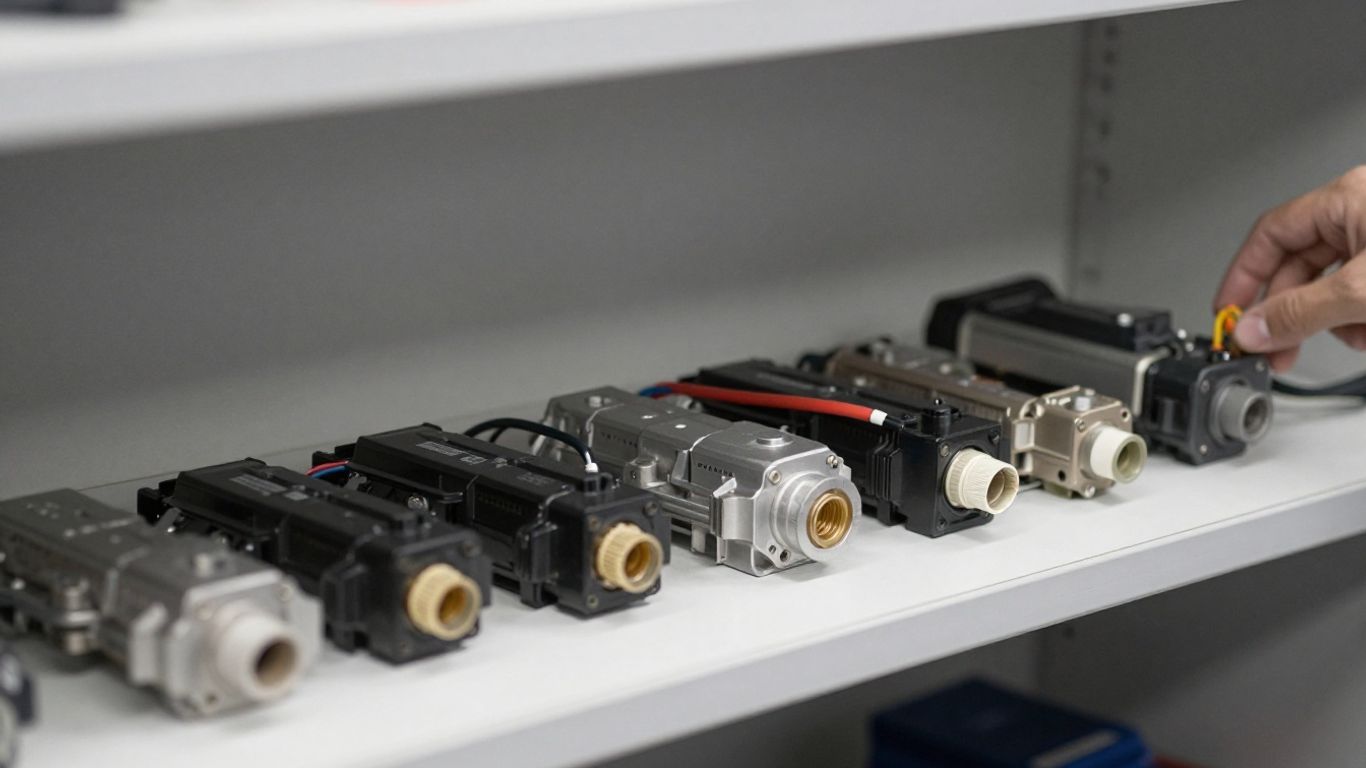
Vehicle dealerships and authorised parts departments
A dealership is often the safest starting point when the vehicle is relatively new, security integration is complex, or the module must be ordered by VIN. The parts department can usually identify the factory number and explain whether programming or additional components are needed. The trade-off is a higher purchase price and, in some cases, a separate charge for diagnosis or coding.
Ask for a complete quote rather than a module-only price. It should state whether the computer arrives configured, whether keys or immobiliser work are included, and what happens if the diagnosis changes.
Automotive parts retailers and specialist suppliers
Independent automotive suppliers can be useful for common vehicles and older models, particularly when they stock remanufactured or replacement electronics. Their value depends heavily on catalogue accuracy and the quality of their technical support. A serious supplier should ask for more than the vehicle’s badge and year.
Before paying, confirm the return conditions for an electrical part. Some sellers accept returns only when the unit has not been programmed, opened, or installed, which can matter if compatibility is uncertain.
ECU specialists, tuners, and performance workshops
A specialist workshop may be the right choice when the replacement must be tested, cloned, flashed, or integrated with a modified engine. For motorsport and high-performance applications, MoTeC provides engine management and data acquisition systems along with downloads, training, forum resources, and authorised dealer information. Its documented focus is advanced motorsport and high-performance use, not a universal replacement for every factory vehicle.
Emtron is another Australian manufacturer described as producing high-end motorsport engine management systems using automotive-grade components. That makes its documented scope relevant to demanding racing environments, while a standard commuter repair may call for a different kind of supplier.
Online marketplaces and vehicle dismantlers
Online marketplaces and dismantlers can produce worthwhile savings, especially for discontinued vehicles. They also require the most careful checking because mileage, storage conditions, water exposure, donor-vehicle history, and security pairing may be unclear. A low listed price is not a useful comparison until freight, testing, and programming are added.
Search results can also be noisy. Pages about Natural Escort, an IPTV service, a Zambia safari, SEO costs, or Costa Rica property are unrelated to vehicle electronics, so check the seller, domain, application, and return policy rather than assuming every result is automotive.
Check compatibility before you purchase
Compatibility is a chain, not a single yes-or-no field. The replacement must match the physical hardware, software family, vehicle security arrangement, and sometimes the transmission or regional calibration. A seller who cannot explain those relationships should not be your first choice.
Confirm the make, model, year, and engine code
Record the full vehicle description before contacting suppliers: make, model, series, build date, engine code, transmission type, fuel system, and market specification. The registration number may help a local parts counter, but the VIN and the information on the existing module are usually more precise.
If the vehicle has been converted, imported, or modified, say so at the beginning. Those details can change the correct module even when the base model appears identical.
Match the part number and hardware revision
Compare the number printed on the original casing or label, including suffixes and revision codes. A visually identical casing may contain different internal hardware, connector assignments, or software requirements. Ask whether the replacement is an exact supersession, a compatible revision, or merely a similar-looking part.
Photographs of labels, connectors, and mounting points are useful, but they do not replace confirmation from a supplier with access to application data. Keep the original module until the replacement has been tested and accepted.
Check immobiliser, keys, and vehicle security requirements
Many modern vehicles link the engine computer to the immobiliser, body module, key transponder, or instrument cluster. A used ECU may therefore require a matching security kit, data transfer, or specialist programming. Some systems cannot be reprogrammed independently, and the required process varies widely between models.
Ask exactly what is included: module only, reset data, cloning, key pairing, or a complete matched set. This is one of the areas where a cheap used unit can become expensive after delivery.
Verify software, calibration, and transmission compatibility
The correct hardware can still be unsuitable if it carries the wrong software or calibration. Confirm compatibility with the engine management strategy, transmission controller, emissions equipment, and regional specification. A performance calibration should also be checked against the vehicle’s actual injectors, sensors, turbocharger, and other changes.
For a specialist system, Link Engine Management documents standalone ECUs, power management, data logging, dashes, accessories, and plug-in ECUs for major performance engines. Those capabilities may suit a planned performance build, but they do not make every Link unit a direct factory replacement.
Decide between new, remanufactured, used, and aftermarket units
The right category depends on vehicle age, budget, availability, and the consequences of another failure. New OEM units generally offer the clearest provenance, while used units can be economical when their history and security status are understood. Remanufactured and aftermarket products need closer questions about testing, calibration, and support.
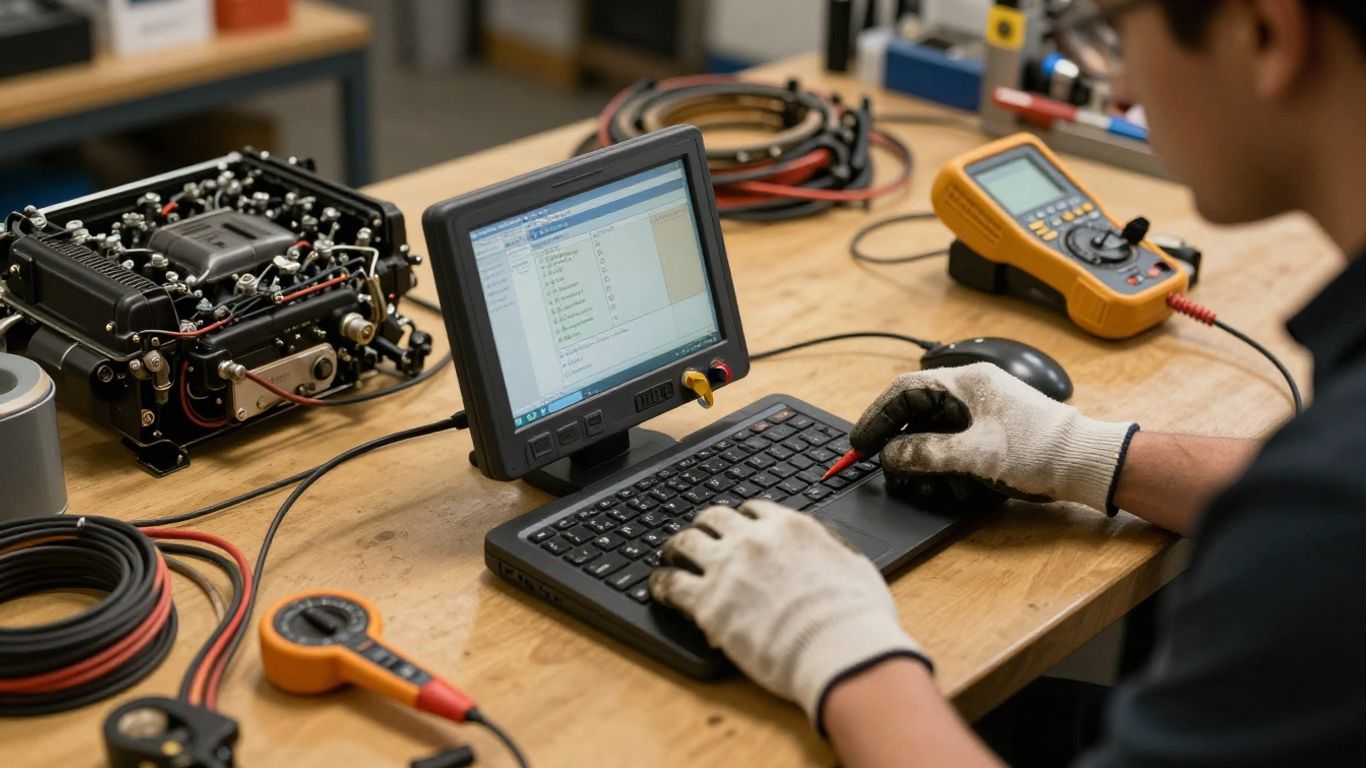
Benefits and limitations of new OEM computers
A new OEM module is normally the simplest choice when the original part remains available and the vehicle requires factory integration. It may still need configuration, software updates, or immobiliser pairing after installation. The price can be difficult to justify on an older vehicle, particularly when the diagnosis is not conclusive.
Check whether the quoted unit is genuinely new, factory exchange, or refurbished. Those descriptions should not be treated as interchangeable.
What to inspect when buying a used ECU
A used unit should come with a clear donor vehicle description, readable part number, testing information, and a stated security condition. Look for evidence of corrosion, damaged connectors, opened casing, heat damage, and water entry. Ask how the seller handles a unit that cannot be paired with your vehicle.
Use this short pre-payment checklist:
- Photograph and compare the original label.
- Confirm the donor vehicle and engine specification.
- Ask whether the module is locked, virgin, cloned, or paired.
- Get the warranty and return terms in writing.
That information will not remove every risk, but it makes the purchase far easier to assess than a bare listing with no technical detail.
How remanufactured units are tested and warranted
A remanufactured ECU has usually been inspected and repaired rather than simply removed from a donor vehicle. The useful questions are what was tested, which components were replaced, whether the unit was tested under load, and whether its programming is compatible with your vehicle. Warranty length matters, but the exclusions and claim process matter just as much.
Ask whether the warranty covers parts only or also programming, labour, freight, and consequential costs. Confirm whether opening the casing or attempting an independent repair voids it.
When an aftermarket ECU is the better choice
An aftermarket system can make sense for a dedicated race car, a heavily modified engine, or a build for which the original controller no longer provides the required control. It brings additional work: wiring, sensors, calibration, tuning, and compliance checks. It should be selected as part of a complete system rather than as an isolated electronic box.
For a normal road-car repair, retaining the factory system is often the more straightforward path. Decide based on the vehicle’s purpose, not on a feature list alone.
Compare pricing, warranties, and seller reliability
Price comparisons are meaningful only when the quotes describe the same service. One listing may cover a tested and programmed module, while another covers an unverified component that still needs freight, coding, and installation. Put every charge beside the part price before choosing.
Typical cost factors in the Australian market
The final cost can depend on vehicle complexity, module availability, whether the unit is new or used, and how much diagnostic work has already been completed. Imported stock may also bring longer delivery times, currency changes, and more complicated returns. A specialist performance ECU carries additional costs for wiring and calibration.
Use this comparison when requesting quotes:
| Cost item | What to ask | Why it matters |
|---|---|---|
| Module | New, used, remanufactured, or aftermarket? | Establishes the basic risk and price |
| Programming | Included, optional, or unavailable? | Determines whether the vehicle can recognise it |
| Freight | Domestic or international, insured or not? | Affects delivery and return exposure |
| Installation | Bench work, fitting, and diagnosis included? | Prevents a misleading module-only total |
| Warranty | Duration, exclusions, and claim location? | Shows the practical value of the guarantee |
A quote that answers these points gives you a much better basis for comparison than a headline price. It also exposes missing services before the order is placed.
Evaluating warranty length and return policies
Read the warranty before installation, especially for used electronics. Some policies require installation by a qualified technician, prohibit opening the casing, or exclude faults caused by the vehicle’s wiring and sensors. Return windows may begin on delivery rather than after the technician gets an appointment.
Save the invoice, diagnostic report, correspondence, and tracking details. If a claim becomes necessary, a complete paper trail can shorten the discussion.
Checking seller reputation and technical support
Look for evidence that the seller understands application matching rather than merely listing inventory. Helpful signs include clear part-number photographs, sensible questions about the vehicle, written testing procedures, and a reachable technical contact. Reviews are useful, but they should be read alongside the seller’s actual terms.
Be cautious when a seller promises that every ECU is plug-and-play. Security coding and vehicle-specific software make that claim unlikely for many modern applications.
Calculating programming, shipping, and installation costs
Before ordering, ask a technician for the likely coding and installation charge. Include diagnostic time if the original failure has not been confirmed, plus shipping in both directions if the module is rejected. A remote supplier may also require the vehicle or original ECU to be sent away.
The lowest total is not always the lowest initial price. A slightly more expensive local option may reduce downtime and provide a practical route to testing if something does not work.
Plan programming and installation
A replacement computer is often only one stage of the repair. The vehicle may need software loading, configuration, immobiliser pairing, throttle or sensor learning, and a final scan. Planning those steps before delivery prevents a new module from sitting unused while you search for a technician.
ECU coding, flashing, and immobiliser pairing
Coding identifies the module to the vehicle, while flashing generally refers to loading software or calibration. Immobiliser pairing is a separate security-related process on many vehicles. The exact sequence depends on the manufacturer, module type, available tools, and whether the replacement is new, reset, cloned, or used.
Ask the installer what data must be retained from the original unit and whether the procedure can be reversed if compatibility fails. Do not assume a generic scan tool can complete every programming task.
Choosing a qualified Australian technician
Choose a workshop that regularly handles the make and module type, not simply one that advertises general diagnostics. Ask whether it can diagnose the original fault, program the replacement, and verify communication with related modules. A clear written scope is preferable to a promise that the unit will be made to work somehow.
For motorsport systems, use a technician familiar with the chosen ECU and its calibration workflow. A specialist may also identify wiring or sensor requirements before the purchase.
Bench testing and pre-installation checks
Bench testing can identify obvious power, communication, or hardware problems before the module is fitted. It does not always prove that the unit is correctly coded for a specific vehicle, so it should be treated as one layer of verification. Inspect connectors, grounds, battery condition, and signs of water entry at the same time.
Record the vehicle’s original fault codes and operating symptoms. That baseline helps distinguish a replacement-module problem from an unrelated fault that was present all along.
Troubleshooting after installation
After installation, scan all relevant modules rather than checking only the engine controller. Confirm starting, charging, throttle response, transmission operation, warning lights, and security-system behaviour where applicable. Some vehicles also require relearn procedures before they operate normally.
If the vehicle fails to start, stop repeated attempts and return to the basics: power supply, grounds, connectors, communication, coding status, and the original diagnosis. Repeatedly swapping parts can make the fault harder to trace.
Consider Australian regulations and long-term support
An engine computer affects more than drivability. Its calibration can influence emissions equipment, noise, safety systems, and roadworthiness, while a performance replacement may be governed by modification rules. The legal position can vary by state or territory and by the vehicle’s intended use.
Support also matters after the vehicle leaves the workshop. A supplier that can provide updates, records, and replacement options is more valuable than one that disappears after delivery.
Vehicle emissions and roadworthiness considerations
For a road vehicle, confirm that the replacement preserves required emissions equipment and does not create warning lights or unsafe operating behaviour. A module that works mechanically may still cause inspection or registration difficulties if it changes regulated systems. Ask the technician to explain the likely roadworthiness implications before fitting a non-standard unit.
Keep the original configuration documented, including calibration details where available. That record can help if the vehicle must later be returned to a compliant factory arrangement.
Performance ECU compliance and modification rules
Performance electronics should be treated as a modification, not simply an upgrade. Check the rules applying in the vehicle’s state or territory and whether engineering approval, inspection, or documentation is required. A product intended for sanctioned competition use may not be suitable for public roads.
The motorsport engine management overview describes Emtron’s documented focus on high-end racing systems, which illustrates why intended use must be confirmed before purchase. Do not transfer competition-use assumptions to a registered road car.
Support for Australian climates and driving conditions
Heat, dust, humidity, vibration, and water exposure can all affect electronic reliability. Ask how the unit should be mounted, whether the connectors need protection, and what precautions apply to the vehicle’s engine bay. Correct grounding and protection from moisture may matter as much as the module’s brand or price.
A local technician can also advise on parts availability and practical support when the vehicle is used far from a major city. That can be a deciding factor for a touring or work vehicle.
Keeping records, updates, and replacement options
Store the invoice, part number, software version, programming notes, diagnostic report, and technician details together. Note any changes to injectors, sensors, turbochargers, transmission, or security modules. These records make future troubleshooting and resale discussions clearer.
Before closing the job, ask whether updates are available, how long support is expected to continue, and what the fallback option would be if the module fails again. A replacement plan is especially valuable for older vehicles with scarce electronics.
Conclusion
The safest answer to where to buy engine computer in Australia is the supplier that can verify the application, explain the security and programming requirements, and stand behind the complete repair. Compare the total installed cost, not just the listing price, and confirm compliance before choosing a factory, remanufactured, used, or aftermarket unit.
Frequently Asked Questions
What is the difference between an ECU and an ECM?
Both terms commonly refer to a module that controls engine functions. Manufacturers may use ECU, ECM, or PCM differently, so the vehicle application and part number matter more than the abbreviation.
Can I install a used engine computer myself?
Physical installation may be straightforward, but many vehicles require coding, software configuration, or immobiliser pairing. Professional programming may be necessary before the vehicle will start or operate correctly.
How do I know which ECU part number I need?
Check the label on the original module and provide the VIN, build date, engine code, transmission, and market specification to the supplier. Confirm any suffix or hardware revision before ordering.
Is a remanufactured ECU better than a used one?
A remanufactured unit may have been inspected and repaired, while a used unit may be sold in donor condition. The testing procedure, warranty, compatibility, and return terms determine which is the better purchase.
Does every replacement ECU need programming?
No single rule covers every vehicle, but many modern vehicles require some form of configuration or security pairing. Ask the seller and installer what the specific vehicle requires.
Should I buy from a dealer or an online dismantler?
A dealer may provide stronger application certainty, while a dismantler may offer a lower price. Compare testing, security status, warranty, returns, programming, and total installed cost rather than choosing by price alone.
Can an aftermarket ECU be used in a road car?
That depends on the product, vehicle, calibration, and applicable state or territory requirements. Confirm emissions, roadworthiness, and modification rules before purchasing or installing one.