

Key Takeaways
Choosing an ECU replacement specialist takes more than finding the nearest workshop. A careful diagnosis, confirmed compatibility, transparent pricing, and a clear warranty can prevent an expensive mistake.
- Confirm that the ECU itself is faulty before approving replacement.
- Compare specialists based on vehicle experience, testing capability, and warranty terms.
- Match the replacement unit by part number, hardware revision, and software requirements.
- Request a complete quote covering diagnostics, parts, labor, programming, and testing.
- Keep your vehicle details, fault codes, keys, and repair history ready for the appointment.
Understand when your vehicle needs an ECU replacement
An engine control unit can cause confusing symptoms because it communicates with several vehicle systems. A warning light or no-start condition does not automatically mean the module has failed. If you are searching for an ECU replacement specialist near me, begin with a proper diagnosis rather than a part purchase. The right specialist will test the surrounding electrical and mechanical systems before recommending a replacement.
Common symptoms of ECU failure
Possible signs include repeated no-start events, an illuminated check-engine light, stalling, poor engine performance, unusual fuel consumption, or fault codes that return after related components have been checked. Some vehicles may also show communication errors or several apparently unrelated warning lights. These symptoms can come from wiring, sensors, power supply problems, or battery issues, so they are clues rather than proof.
A useful first step is to write down when each symptom appears. Note whether the vehicle is hot or cold, whether the issue follows rain or vibration, and whether any recent electrical work was completed. That information gives the technician a better starting point than a general description such as “the car runs badly.”
How diagnostic testing separates ECU faults from other problems
Diagnosis should include fault-code scanning alongside electrical checks, connector inspection, power and ground testing, and communication testing. A code naming a sensor does not necessarily mean the sensor is defective; the circuit or the ECU input may be responsible. The technician should explain what was tested and why the results point toward the module.
Auto Computer Specialist describes a process in which a submitted ECU is diagnosed and repaired in-house, with the unit tested before it is returned for installation. That kind of focused testing can help avoid replacing a costly module when the original unit is still serviceable.
When repair, reprogramming, or replacement is the better option
Repair may make sense when the original board can be restored and its data remains usable. Reprogramming may be needed when the hardware is sound but software, calibration, or vehicle data requires attention. Replacement becomes more appropriate when the unit has serious internal damage, cannot communicate reliably, or cannot be economically repaired.
Ask the specialist to separate these possibilities in the estimate. A responsible recommendation should identify the tested fault, explain whether the original unit was assessed, and state what programming or relearning the vehicle will require after installation.
Why ignoring electronic control issues can create additional damage
A failing module can leave the engine running poorly, prevent systems from operating as intended, or create intermittent conditions that are difficult to reproduce. Continuing to drive may also expose the vehicle to stalling, reduced performance, or an inability to restart. The risk depends on the underlying fault, so the safest decision is to ask for advice promptly when symptoms affect drivability or safety.
Do not overlook basic causes such as a weak battery, damaged wiring, water intrusion, or an alternator problem. Fixing those issues before fitting another ECU is essential; otherwise, the replacement may suffer the same failure or the original diagnosis may prove misleading.
Compare ECU replacement specialists in your area
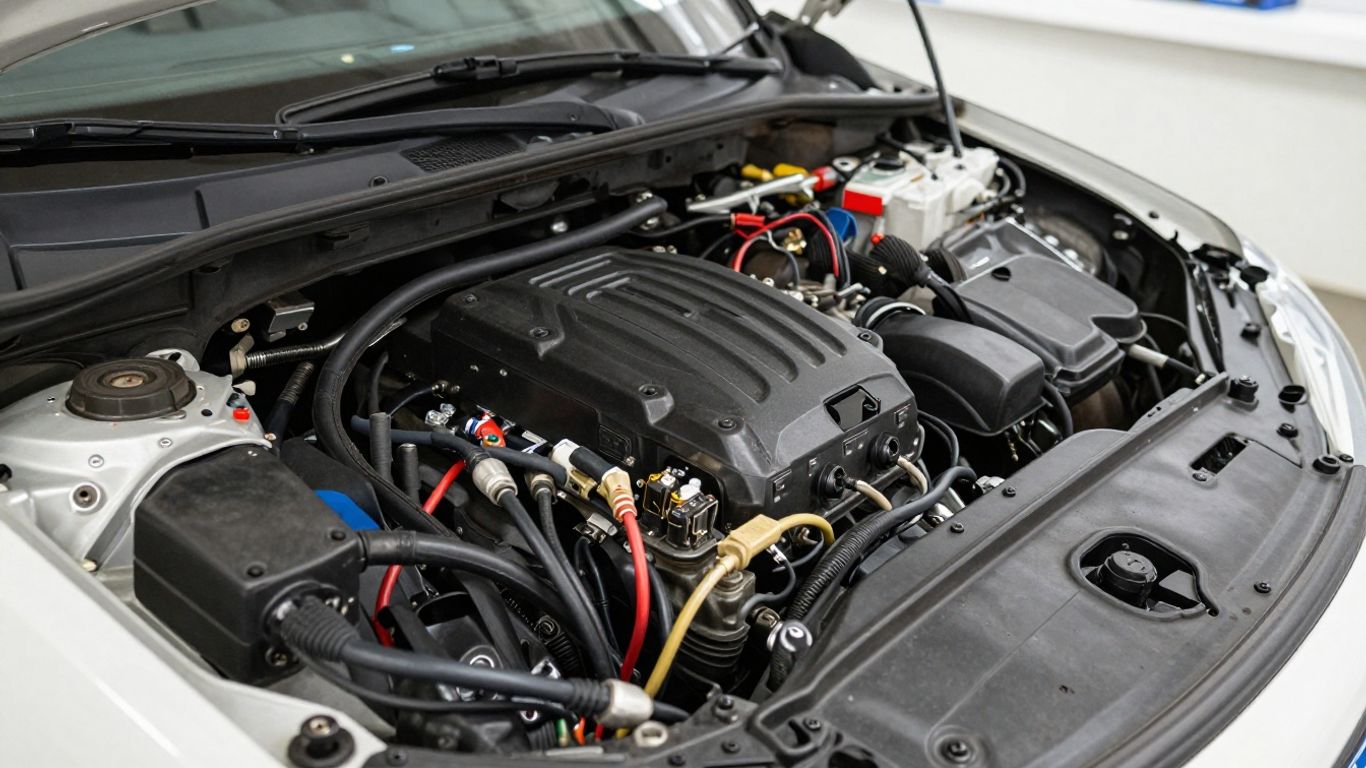
Local does not always mean suitable. Compare providers by the work they actually perform, their familiarity with your vehicle, and the clarity of their diagnostic process. A specialist who asks for the VIN, ECU part number, fault codes, and symptom history is usually better prepared than one offering a price without seeing those details.
Experience with your vehicle’s make, model, and engine
Vehicle-specific experience matters because apparently similar ECUs may differ by engine, transmission, emissions equipment, market, or production year. Ask how often the provider handles your make and engine, and whether they have worked with the exact module family. Experience should be demonstrated through a clear explanation of the likely testing and programming steps, not just a broad claim of expertise.
If the vehicle has aftermarket modifications, a previous software tune, or water damage, mention it before booking. Those details may affect diagnosis, compatibility, and warranty coverage.
Access to original, remanufactured, and used ECU units
A provider may offer an original, remanufactured, or used control unit, and each option deserves careful comparison. A used unit may need data transfer or extensive programming. A remanufactured unit should have a stated testing process and clear conditions for installation. An original unit may cost more but can be the simplest match in some cases.
Auto Computer Specialist lists remanufactured ECU replacements and says that, where applicable, original data may be transferred so the unit can be supplied ready for installation. Confirm exactly what “ready” means for your vehicle, including any remaining relearn or security-sync steps.
Diagnostic equipment, programming tools, and technical expertise
Replacement is not simply a matter of unplugging one box and connecting another. The provider needs suitable diagnostic equipment, programming tools, and technical knowledge for the vehicle. Ask whether programming is completed in-house, what information is needed from you, and how the technician verifies communication after the work.
The answer should be specific enough to distinguish diagnosis from guesswork. For general comparison, a specialist’s ECU testing process may also help you identify the questions worth asking about testing fees, turnaround, and warranty terms.
Certifications, warranties, and service guarantees
Certifications can show formal training, but they should be considered alongside relevant experience and a written warranty. Find out whether the warranty covers the unit, labor, repeat programming, and shipping. Also ask whether it becomes void if the vehicle has an unresolved wiring fault or is programmed elsewhere.
Read reviews for patterns rather than isolated praise. Consistent comments about communication, accurate diagnosis, and successful installation are more useful than vague claims about being the cheapest provider. A BMW ECU repair resource can be useful background when a vehicle-specific diagnostic issue needs closer research, even if your vehicle is a different make.
Verify ECU compatibility before approving the work
Compatibility is the point at which a low initial quote can become an expensive problem. The replacement must suit the vehicle’s hardware, software, security configuration, and sometimes its transmission or emissions specification. Never approve a unit solely because a seller says it “looks the same.” Ask for the identifiers and programming requirements in writing.
Matching part numbers and hardware revisions
Compare the part number on the existing ECU with the proposed replacement, including suffixes and revision letters. The VIN, engine code, model year, and market specification should also be checked. A visually identical module may contain different hardware or support different software.
Ask whether the shop will verify the number before ordering. If the original label is damaged, the technician may need to identify the unit through diagnostic information, manufacturer data, or photographs of the casing and connectors.
Checking immobilizer, key, and security-system requirements
Many vehicles link the ECU with the immobilizer, keys, body control module, or other security components. A replacement may therefore need key-code handling, data transfer, a security relearn, or synchronization with the vehicle. Clarify which steps the specialist performs and which, if any, must be completed by a dealer or another qualified provider.
Protect your keys and security information during the process. Hand over only what is necessary, ask how those details are stored, and make sure the vehicle will not be left accessible while programming is incomplete.
Confirming software, firmware, and vehicle-specific programming
The correct hardware still needs suitable programming. Ask whether the replacement will receive the vehicle’s VIN, required software, relevant firmware updates, and configuration data. The estimate should state whether programming is included or charged separately, and whether the vehicle needs a stable battery-support unit during the procedure.
Auto Computer Specialist says its remanufactured replacement service may include data transfer and programming where required. That is a useful distinction to discuss: “programmed” should mean something specific for your vehicle, not simply that the unit was powered on before shipment.
Avoiding problems caused by incorrect or incompatible modules
An incompatible ECU may fail to communicate, prevent the engine from starting, trigger new warning lights, or create drivability issues. It may also complicate the return process if the unit has been programmed or installed. Before work begins, photograph the original labels and ask the provider to record the replacement identifiers on the invoice.
A short written confirmation can prevent confusion later. It should identify the vehicle, the proposed part number, the programming included, the expected relearns, and the conditions under which the unit can be returned.
Evaluate the total cost of ECU replacement
ECU replacement pricing varies widely, and the headline part price rarely tells the whole story. Diagnostics, shipping, programming, security adaptation, installation, and post-repair testing may all be separate charges. Request an itemized estimate so you can compare like with like rather than choosing the first apparently cheap option.
Parts, labor, diagnostics, and programming fees
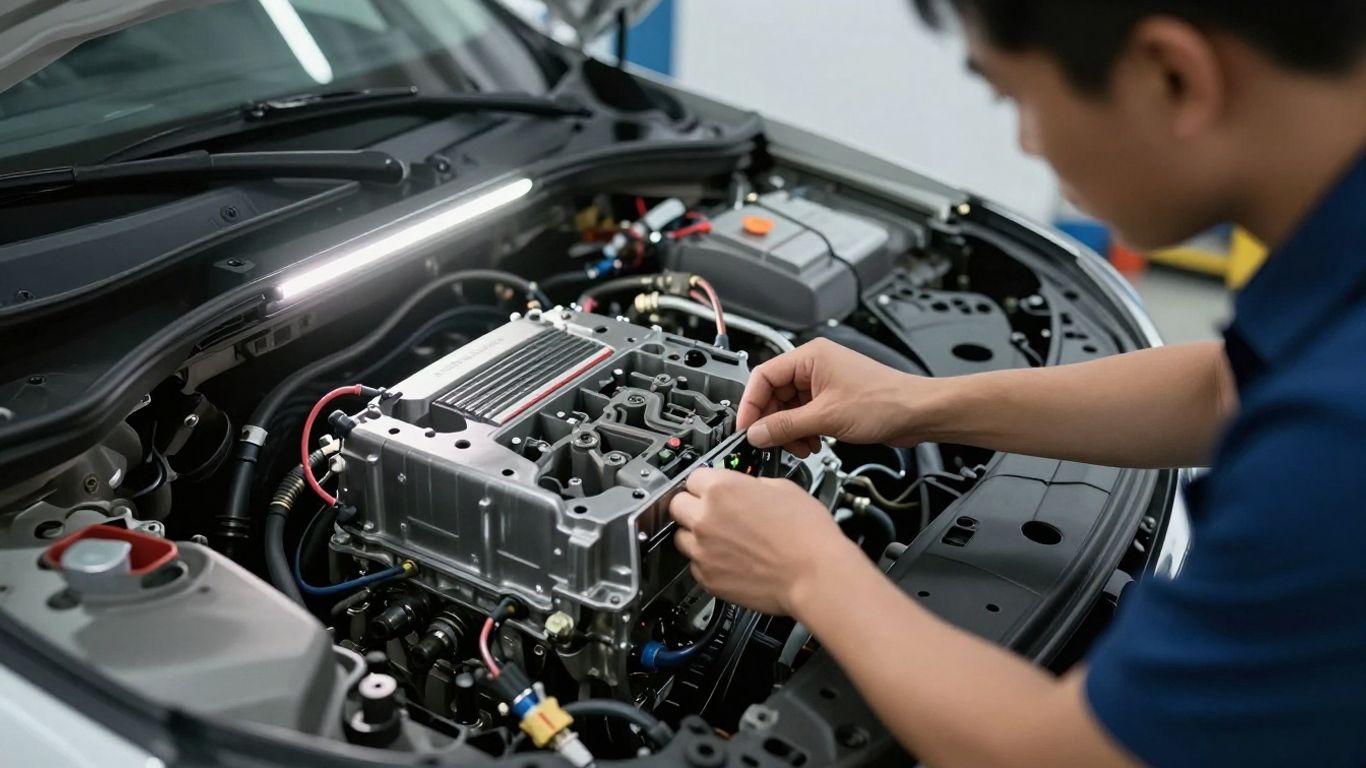
A complete quote should identify the cost of the ECU, removal and installation, initial diagnosis, programming, coding, security adaptation, and road testing. It should also say whether taxes, core charges, shipping, or a diagnostic fee apply if the module turns out not to be faulty. This level of detail makes approval straightforward and reduces surprises.
A specialist may charge for testing even when replacement is not recommended. That is not necessarily unreasonable; careful diagnosis takes time and equipment. The key is knowing the fee before authorizing the work and understanding what the test includes.
How replacement ECU prices vary by vehicle
Price depends on the vehicle’s age, ECU type, availability, security system, software requirements, and whether a suitable remanufactured or used unit exists. A performance vehicle or a less common model may require more specialized programming. A newer vehicle may also involve additional network configuration and security steps.
Treat unusually low prices cautiously if they exclude programming or use an unverified used module. Conversely, a higher estimate may be justified when it includes diagnosis, data transfer, installation, warranty coverage, and verification.
Comparing dealer, independent, and mobile specialist services
Dealers may provide direct access to manufacturer systems, while independent specialists can offer focused ECU knowledge or more flexible repair options. Mobile services are convenient when the vehicle cannot be driven, but their equipment and ability to test or program certain modules may vary. Ask what can be completed at your location and what would require workshop access.
When comparing providers, a simple table can keep the decision grounded in the actual scope of each quote:
| Cost and service point | Provider A | Provider B | Provider C |
|---|---|---|---|
| Diagnostic fee and testing scope | Included or stated | Included or stated | Included or stated |
| ECU part and unit type | Confirmed | Confirmed | Confirmed |
| Programming and security adaptation | Confirmed | Confirmed | Confirmed |
| Warranty and return conditions | Written terms | Written terms | Written terms |
The cheapest column is not automatically the best choice. Compare what happens if the diagnosis is wrong, the unit needs additional programming, or the vehicle develops the same symptom after installation.
Questions to ask about hidden charges and return policies
Before approving the work, ask whether the quote changes if the original ECU is repairable, whether a core must be returned, and who pays shipping if the replacement is faulty. Confirm whether labor is covered under the warranty and whether programming is repeated without another fee. You should also know how long the return window lasts and whether installation marks affect eligibility.
For a broader example of assessing service providers, the contractor payment platform guide offers a useful reminder to examine integration, reliability, support, and terms rather than comparing a single headline feature. Those same habits apply when reviewing an automotive repair quote.
Know what the ECU replacement process involves
A trustworthy replacement follows a sequence rather than a guess-and-check approach. The exact order differs by vehicle, but the provider should explain what will happen before work starts. Knowing the stages helps you recognize whether the estimate covers the work needed to return the vehicle safely to service.
Initial fault-code scanning and electrical testing
The technician normally begins by recording fault codes and checking communication with the vehicle. Electrical tests may cover battery voltage, grounds, power supply, connectors, wiring, and related sensors or actuators. The purpose is to identify the root cause and make sure another fault will not damage the replacement.
Ask for a copy of the diagnostic findings. Even a short explanation of the codes, tests performed, and conclusion will help if another technician needs to inspect the vehicle later.
Removing and installing the control module
Once replacement is approved, the module is removed carefully and the connectors, seals, and mounting points are inspected. Water intrusion, corrosion, heat damage, or damaged pins should be documented before the new unit is installed. The battery may need to be isolated according to the vehicle’s service procedure.
The replacement should be identified on the job record, along with the original unit’s part number. That record matters if programming fails or a warranty claim becomes necessary.
Programming, coding, and adapting the replacement ECU
After installation, the ECU may need VIN writing, coding, software loading, immobilizer synchronization, or relearn procedures. The vehicle can also require adaptation of throttle, fuel, transmission, or other managed systems, depending on its design. The technician should tell you which procedures were completed and whether any dashboard prompts remain.
Auto Computer Specialist describes returning repaired or remanufactured units after testing, with installation instructions for required relearns or security synchronization where applicable. Confirm the instructions for your specific vehicle rather than assuming every replacement is fully plug-and-play.
Road testing and verifying the completed repair
The final checks should include scanning for new or returning codes, confirming communication, checking warning lights, and road testing when safe. The technician should verify that the original symptoms have changed and that the engine starts, idles, accelerates, and operates normally. Ask whether the vehicle needs a short drive cycle before all monitors become ready.
Before payment, request the final diagnostic report or at least a written summary. It should state what was replaced, what was programmed, and whether any unrelated fault remains.
Choose a convenient and trustworthy local provider
Convenience matters, particularly when a failed ECU leaves the vehicle immobile. Still, a nearby address should not outweigh transparent communication and appropriate testing. Compare the provider’s practical process: how you book, where the vehicle goes, how long diagnosis takes, and who answers questions when something does not go as planned.
Reading reviews for evidence of successful ECU repairs
Look for reviews that describe a real ECU diagnosis, programming job, or replacement on a similar vehicle. Useful reviews mention the symptom, the communication process, the turnaround, and whether the vehicle worked afterward. Be cautious with pages that contain only generic praise or promises of instant results.
A provider’s own client review information can be one source to read, but compare it with independent feedback and ask the shop to explain any recurring complaint. Reviews should support your questions, not replace technical verification.
Confirming turnaround times and vehicle drop-off requirements
Ask whether the vehicle must remain at the workshop, whether the ECU can be removed and shipped separately, and when diagnosis begins. A quoted turnaround may refer only to bench testing or shipping, not the complete repair. Confirm what happens if the first replacement is unavailable or does not pass programming.
Get the expected completion date in writing when the vehicle is needed for work or family commitments. Also ask whether the shop provides updates when the diagnosis changes the original estimate.
Assessing mobile ECU services versus workshop appointments
A mobile technician may be a practical choice for a no-start vehicle or a problem that can be diagnosed at home. A workshop may be better when bench testing, specialist equipment, wiring inspection, or extended road testing is required. The best option depends on the fault and the provider’s actual mobile capability.
Ask whether the mobile service can complete programming on-site or whether the module will be removed for workshop testing. That one answer often reveals whether the appointment is a full repair or only an initial assessment.
Protecting your vehicle data, keys, and personal information
VIN details, key information, diagnostic reports, and contact data should be handled with care. Ask who can access them, how long records are kept, and whether information is shared with another provider. Keep a record of every key handed over and remove personal belongings from the vehicle before drop-off.
A clear business should be willing to explain its process without asking for unnecessary information. You should also receive an invoice that identifies the vehicle and work performed without exposing more security data than needed.
Prepare for your ECU specialist appointment
Good preparation makes diagnosis faster and gives the specialist useful context. Bring the vehicle’s exact details, describe the symptoms in sequence, and gather documents before the appointment. If you are arranging a remote repair, follow the packaging and identification instructions carefully so the unit arrives with enough information to be assessed.
Vehicle details and symptoms to document in advance
Write down the make, model, year, engine, transmission, VIN, mileage, and any modifications. Describe when the issue began, whether it is intermittent, and what happened immediately beforehand. Include warning lights, starting behavior, changes in fuel use, and whether the vehicle has recently been exposed to water, jump-starting, or electrical repairs.
A concise timeline is often more useful than a long theory about what failed. If possible, take photographs of warning messages and ECU labels before the vehicle or module is delivered.
Diagnostic codes, maintenance records, and previous repair information
Bring scan-tool reports, invoices, battery-test results, and notes from previous technicians. List parts that have already been replaced, including sensors, relays, batteries, alternators, and wiring repairs. This helps prevent the same checks from being repeated without context and may reveal a pattern.
Keep copies of everything you provide. Even unrelated records can matter if the vehicle has experienced voltage problems or repeated communication faults.
Questions to ask before authorizing replacement
Before signing off, ask these questions:
- What evidence shows that the ECU is faulty?
- Has the power, ground, wiring, and related circuitry been tested?
- Which exact part number and unit type will be installed?
- Are programming, security adaptation, and road testing included?
- What does the warranty cover if the original symptom returns?
The answers should be direct and consistent with the written estimate. If the provider cannot explain the diagnosis or refuses to identify the replacement unit, pause before authorizing the work.
What to verify before accepting the vehicle back
Check that the vehicle starts normally, warning lights have been addressed, and the original symptom has been tested under the conditions in which it occurred. Confirm that all keys and personal items are returned, and request the old ECU if the agreement says it is yours. Review the invoice for part numbers, programming, diagnostic results, warranty terms, and any remaining faults.
A brief follow-up question about drive-cycle requirements can also prevent unnecessary concern. Some vehicles need time and normal driving conditions before every emissions monitor is ready, but the shop should tell you what to expect.
Conclusion
The right ECU replacement specialist is the one who can connect diagnosis, compatibility, programming, pricing, and aftercare into one clear process. Compare local providers carefully, insist on evidence before replacement, and leave the appointment with written details about the unit, work completed, and warranty.
Frequently Asked Questions
How do I know whether my ECU really needs replacing?
A replacement should follow fault-code scanning, electrical testing, communication checks, and inspection of related components. Symptoms alone cannot prove that the ECU has failed.
Is it better to repair or replace an ECU?
Repair may be suitable when the original hardware can be restored, while replacement may be preferable when the module is badly damaged or uneconomical to repair. The decision depends on testing and the vehicle’s compatibility requirements.
Can any used ECU be installed in my vehicle?
No. The part number, hardware revision, software, VIN configuration, and security-system requirements must all be checked. A used unit may need data transfer, coding, or immobilizer synchronization.
Does ECU replacement always require programming?
Many vehicles require some form of programming, coding, adaptation, or security relearn. The exact requirement depends on the vehicle and the replacement unit.
What should an ECU replacement quote include?
A complete quote should identify diagnostics, the ECU type and part number, labor, programming, security adaptation, testing, taxes, shipping, core charges, and warranty conditions.
How long does ECU replacement usually take?
Turnaround varies with diagnosis, parts availability, programming requirements, and whether the vehicle stays at the workshop. Ask whether the quoted time covers the complete repair or only testing.
Can a mobile specialist replace an ECU at my home?
Sometimes, particularly when the vehicle can be diagnosed and programmed with mobile equipment. Bench testing, wiring inspection, or complex programming may require the module or vehicle to go to a workshop.