

Key Takeaways
The better choice depends on compatibility, diagnosis, installation requirements, and the vehicle’s remaining value. A new unit offers predictability, while a properly tested reconditioned ECU can reduce the initial cost.
- Confirm that the ECU is genuinely the cause of the fault before ordering a replacement.
- Match the exact part number and account for programming, coding, and immobilizer work.
- A new ECU usually offers the clearest warranty and service-life expectations.
- A reconditioned ECU may suit an older vehicle when it comes from a specialist supplier.
- Compare the complete installed price rather than the unit price alone.
Understanding new and reconditioned ECUs
When asking “new or reconditioned ECU which is better,” it helps to separate the module itself from the work needed to make it operate in a particular vehicle. These units are not simple plug-in components on many modern cars. Diagnosis, compatibility, software, and security pairing can matter as much as the purchase price.
What an ECU does in your vehicle
An engine control unit receives information from sensors and uses programmed instructions to control functions such as fuel delivery, ignition, and emissions-related operation. It works as part of a wider network that may include the transmission, body electronics, and immobilizer. A fault in the ECU can therefore look similar to a wiring, sensor, power-supply, or communication problem.
The symptoms can vary widely. Starting trouble, stalling, misfires, warning lights, or poor running may point toward the control system, but none proves that the ECU itself has failed. A careful diagnostic process should come first, since replacing a healthy module will not cure an unrelated fault.
How new ECUs differ from reconditioned units
A new ECU is generally unused and supplied with the manufacturer’s intended hardware and software configuration for the relevant application. It is usually the more predictable option, although it may still need vehicle-specific programming before the engine will run correctly.
A reconditioned ECU has previously been used and then inspected, repaired, tested, or reprogrammed, depending on the supplier. The word “reconditioned” is not a universal technical standard, so buyers should ask exactly what work was completed rather than assuming every unit received the same treatment.
What the reconditioning process typically includes
A serious process may begin with visual inspection, electrical testing, and fault diagnosis. The technician may repair damaged circuits, replace failed components, clean contamination, update software, and test the module again under operating conditions. The quality depends on the equipment, skill, documented procedures, and final checks used by that particular supplier.
Some suppliers sell tested used modules with limited intervention, while others rebuild known failure points. Those are different products, even if both are described casually as refurbished. A written test report and clear warranty are more useful than a vague promise that the unit is “like new.”
Why ECU replacement may be necessary
Replacement can be reasonable after confirmed internal damage, severe water intrusion, burnt circuitry, or a communication failure that cannot be repaired economically. Before committing, have power, grounds, wiring, connectors, sensors, and related modules checked. A useful overview of ECU diagnosis and replacement can help frame that conversation, but the vehicle still needs an individual diagnosis.
The module may also require replacement when a repair is not available or when the cost of repeated repairs exceeds the vehicle’s practical value. That decision should be based on evidence, not simply on a fault code. Codes often identify a system or circuit rather than naming the failed component with certainty.
Comparing new and reconditioned ECU quality
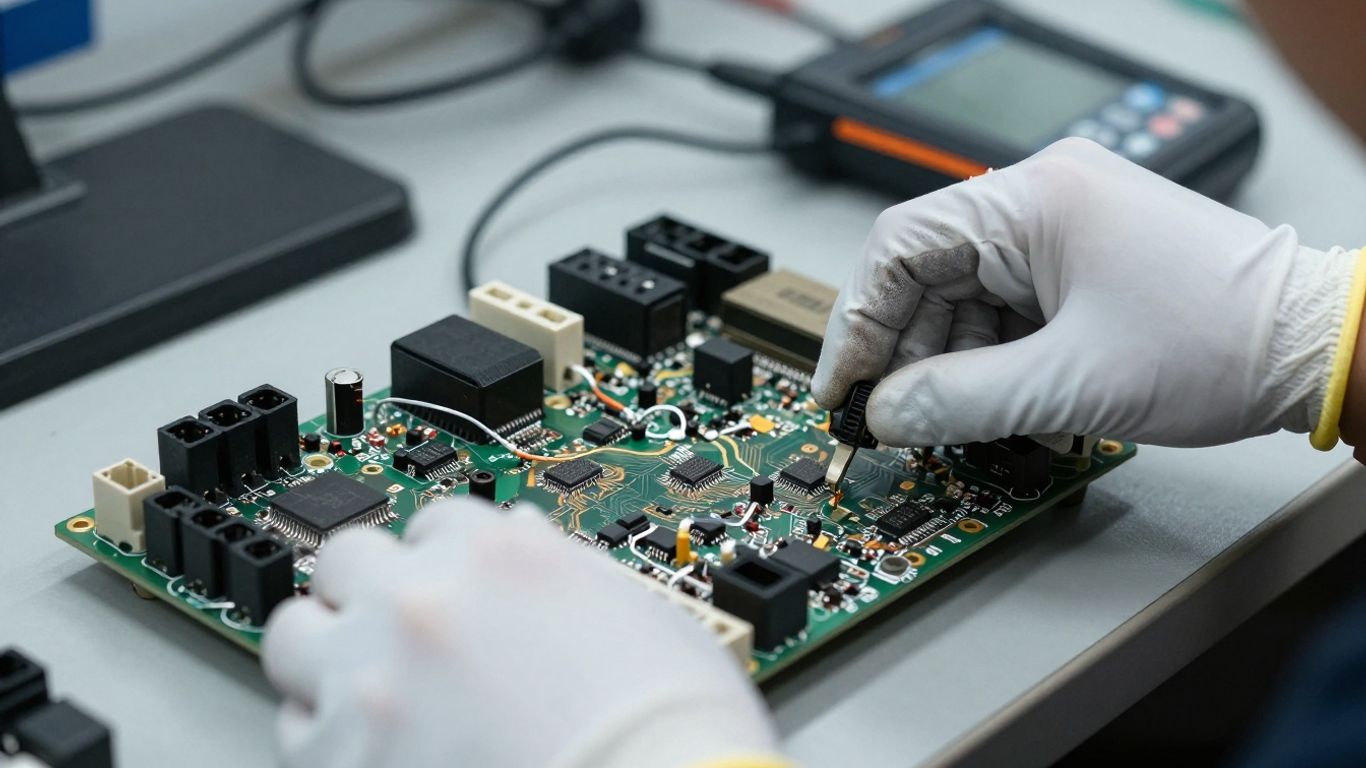
Quality is not determined by the label alone. A new ECU can be the wrong part, and a reconditioned ECU can be carefully restored and thoroughly tested. The useful comparison is between traceable sourcing, correct compatibility, documented testing, and support after installation.
Reliability and expected service life
A new unit removes much of the uncertainty associated with previous use, but it does not eliminate installation errors, voltage problems, or failures elsewhere in the vehicle. Its expected service life is also affected by heat, vibration, moisture, charging-system health, and the conditions around the module.
A reconditioned unit has a less certain remaining life because its history may be incomplete. That does not make it automatically unreliable. It does mean the supplier’s testing process and warranty deserve close attention, particularly if the vehicle is needed for daily work or long-distance travel.
Original equipment and aftermarket differences
Original-equipment units are designed for a specified vehicle system, but the correct part number remains essential. An aftermarket or remanufactured alternative may be suitable when it is explicitly listed for the application and supported by appropriate programming instructions.
Avoid treating appearance as proof of compatibility. Connector shape, housing design, and a similar model year do not guarantee matching software, communications protocols, emissions configuration, or security data. The safest comparison starts with the original part number and the vehicle identification details.
Testing, repairs, and quality-control standards
Ask whether the unit was tested before and after repair, whether common internal failure points were checked, and whether the supplier records the results. It is also worth asking what happens if the replacement does not solve the fault. A return process that allows diagnostic review is more reassuring than a sale with no technical support.
The following factors give a practical way to compare suppliers without relying on marketing language:
- A written description of inspection and repair work.
- Confirmation that the exact part number fits the vehicle.
- A stated warranty period and clear exclusions.
- Technical support for programming and installation.
- A return process for an incorrectly supplied or faulty unit.
These details do not guarantee a successful repair, but they make the risk easier to assess. They also help distinguish a documented reconditioning service from a unit that has merely been removed from another vehicle and cleaned.
How software and calibration affect performance
The ECU’s hardware must work with the software, calibration, and configuration expected by the vehicle. A replacement may need programming, coding, or a security procedure before it can communicate correctly with other modules. Some vehicles also store identification or configuration data that must be handled during installation.
A module that fits physically may still produce poor results if the software is unsuitable. For a broader discussion of matching a used ECU to a vehicle and checking wiring information, see this used ECU compatibility guide. Treat any claim about pre-programming carefully and confirm what “ready to install” actually means.
Evaluating the cost of each ECU option
The cheapest unit is not always the cheapest repair. The final bill can include diagnosis, shipping, programming, coding, security matching, labor, and a second visit if the first unit is incompatible. Compare those costs before choosing between new and reconditioned equipment.
Typical price differences between new and reconditioned units
New ECUs commonly carry a higher purchase price because they are unused and sourced through new-parts channels. Reconditioned units can cost less, especially for older vehicles where a new replacement is disproportionately expensive. The saving is meaningful only if the part is correct and the repair process is dependable.
Prices vary by vehicle, availability, software requirements, and whether the unit is supplied programmed or blank. A web guide comparing used and new ECU costs may provide useful questions to ask, but broad savings figures should not be treated as a promise for every model.
Installation, programming, and coding expenses
Labor can be modest when a specialist has the right tools and the module is prepared correctly. It can rise quickly when the vehicle needs dealer-level programming, immobilizer synchronization, adaptation, or repeated diagnostic work. Ask for an estimate covering the whole process rather than the replacement box alone.
The installation quote should clarify whether it includes fault confirmation, removal and refitting, software programming, coding, post-installation checks, and disposal or return of the old unit. These items often explain why two apparently similar offers have very different totals.
Warranty coverage and return policies
A warranty should state its duration, what failures it covers, and whether labor, shipping, or programming costs are excluded. Check whether the supplier requires the original unit to be returned and whether the warranty is conditional on professional installation or proof of testing.
Return terms matter just as much. A no-questions-asked return is unusual for coded electronics, so understand the procedure if the unit is incompatible or the original diagnosis proves wrong. Written terms are safer than relying on a brief conversation.
When a cheaper ECU can become more expensive
A low-priced unit can create extra cost if it arrives with the wrong software, fails soon after installation, or cannot be returned. Paying for programming twice is particularly frustrating, as is replacing unrelated parts while chasing a fault caused by an incorrect diagnosis.
A simple cost comparison should include the likely second-order expenses. Consider the diagnostic fee, installation labor, programming, shipping in both directions, warranty handling, vehicle downtime, and the possibility of needing another module. The initial price is only one line in that calculation.
Choosing the right ECU for your vehicle
The right option depends on the vehicle’s age, condition, intended use, and support available locally. A newer vehicle with complex security systems may justify the predictability of a new unit. An older vehicle with limited market value may make a tested reconditioned option more sensible.
Vehicle age, mileage, and overall condition
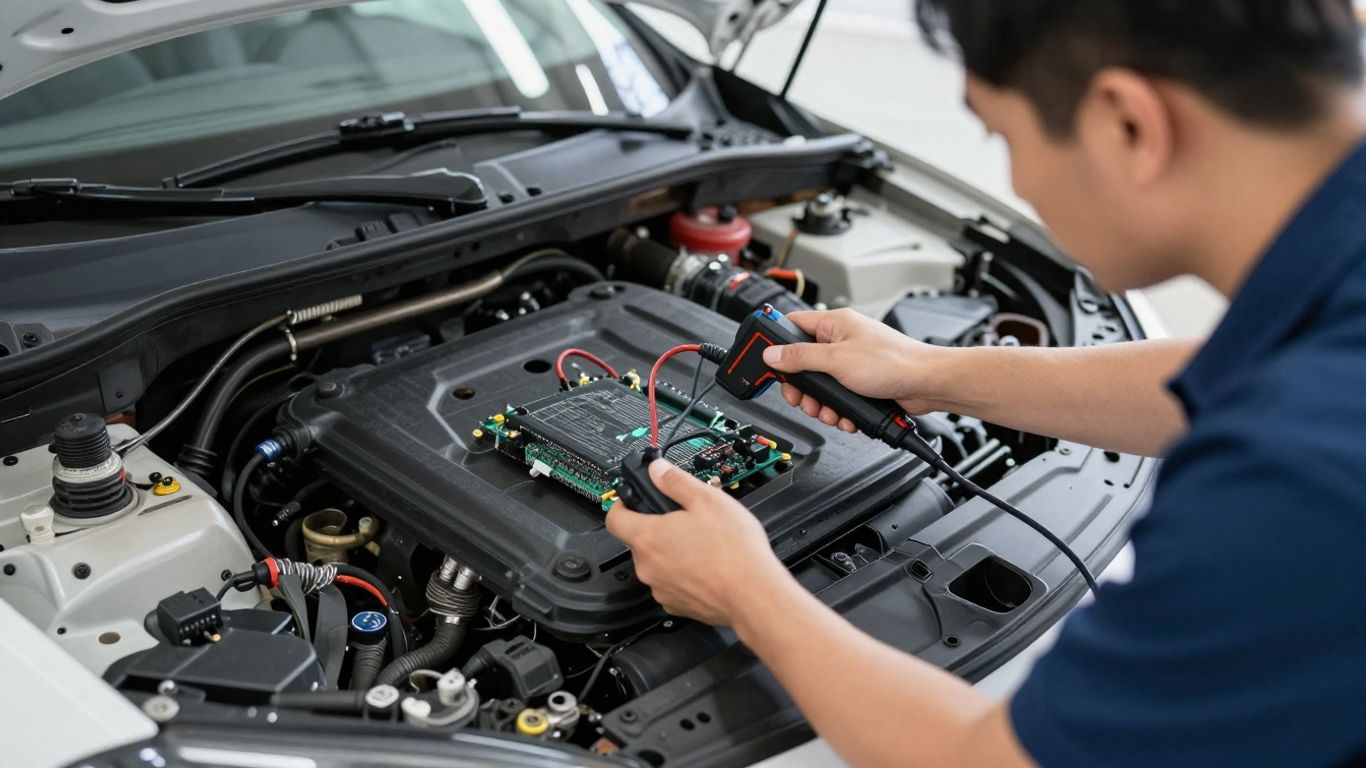
Consider how long you expect to keep the vehicle and whether other expensive systems are already showing wear. Spending heavily on a new ECU may be difficult to justify if the engine, transmission, body, or electrical system also needs major work.
On the other hand, a well-maintained vehicle with substantial remaining service life may deserve the lower uncertainty of a new module. Mileage alone does not decide the issue, but it helps put the repair into the context of the vehicle’s overall value.
Matching part numbers and compatibility requirements
Record the original ECU’s complete part number, manufacturer details, vehicle identification number, engine specification, transmission type, and model year. Ask the supplier to confirm compatibility in writing. Do not rely only on a photograph or a broad “fits this model” listing.
Small differences can affect communications, emissions settings, sensor inputs, and security functions. If the supplier cannot explain how compatibility was checked, pause before ordering. The right part number is the foundation of either a new or reconditioned purchase.
Dealer programming versus specialist installation
A dealer may be the most convenient choice when the vehicle requires manufacturer-linked programming or security access. An experienced independent specialist may offer the same practical service at a different labor rate, provided the necessary equipment and information are available.
Ask who will perform the programming and whether the quote includes a post-installation scan. For a new ECU, programming may still be necessary; a reconditioned unit described as programmed may still need vehicle-specific coding. Never assume the label removes that step.
The best installer will also investigate the original failure rather than simply fit another module. If a voltage surge, water leak, poor ground, or wiring fault remains, it may damage the replacement as well.
The importance of immobilizer and key synchronization
Many vehicles use an immobilizer system that links the ECU with other security components and the vehicle’s keys. A replacement may crank but fail to start, or it may require a relearn procedure before normal operation returns. The exact process differs by vehicle.
Confirm this requirement before buying. Ask whether the unit is virgin, programmed, cloned, or otherwise prepared, and what information the installer needs. A technically sound ECU can still be unusable if its security configuration is not handled correctly.
Risks and benefits of a reconditioned ECU
Reconditioning can extend the useful life of an electronic module and reduce waste, cost, and waiting time when new stock is scarce. It also introduces uncertainty about prior use and the consistency of the work. The balance depends heavily on the supplier and the vehicle.
Common faults that reconditioning may fix
A reconditioning service may address failed components, damaged solder joints, corrosion, power-supply problems, or other identified internal faults. It may also include software preparation or configuration work. The supplier should explain which of these actions actually applies to the unit being sold.
That distinction matters because not every intermittent vehicle fault is internal to the ECU. A reconditioned module cannot repair a damaged harness, failing sensor, weak battery, or poor ground elsewhere in the car. Diagnosis remains the first safeguard.
Hidden damage and inconsistent repair quality
Previous water exposure, overheating, vibration, and electrical surges may leave damage that is not obvious from the outside. A unit can pass a limited bench test and still behave differently once installed in the vehicle. This is why a transparent test procedure and meaningful warranty are valuable.
Quality can vary between suppliers using the same description. One may replace only a failed component, while another may inspect and test the whole board. Ask for specifics, and be cautious when the seller will not disclose the repair scope or the conditions attached to a return.
Signs of a trustworthy ECU supplier
A reliable supplier communicates clearly before taking payment. Useful signs include identifiable technical staff, accurate part-number checks, realistic programming advice, written warranty terms, and a return route for compatibility problems. Reviews can add context, but they should not replace technical verification.
It is also sensible to look for a supplier that asks about the original symptoms and diagnostic results. That conversation may prevent an unnecessary purchase. For a general framework on checking a service provider’s background and risk controls, this due diligence service is a separate but useful example of why documented processes matter.
Situations where a reconditioned unit may not be suitable
A reconditioned ECU may be a poor fit when the vehicle is under a strict warranty, when downtime would be especially costly, or when the available unit has an uncertain history. It may also be unsuitable if the supplier cannot support the required programming or security procedure.
Some owners will reasonably prefer a new unit for a newer or high-value vehicle. Others may choose reconditioning because a new part is unavailable or costs more than the vehicle can justify. Neither answer is universal; the evidence and the consequences should guide the decision.
How to decide between a new and reconditioned ECU
The decision becomes clearer when the options are compared on risk, not just price. Start with a confirmed diagnosis, then check compatibility, programming, warranty, and total installed cost. This approach is less exciting than ordering the first affordable module, but it avoids many repeat repairs.
When buying new offers the best value
Buying new can offer the best value when the vehicle is relatively new, the ECU is readily available, and dependable long-term use matters more than reducing the initial bill. It can also simplify warranty discussions and reduce uncertainty about previous heat, moisture, or electrical exposure.
New is not automatically the right answer if the diagnosis is weak or the part still needs complex coding. Its advantages are strongest when the rest of the vehicle is in good condition and the supplier can confirm the complete installation requirements.
When a reconditioned ECU is the practical choice
A reconditioned unit may be practical for an older, well-maintained vehicle when the price of a new ECU is difficult to justify. It can also make sense when a reputable specialist offers documented testing, a fair warranty, and support with programming.
The choice is particularly reasonable when the vehicle’s remaining value and expected ownership period are limited but still meaningful. Choose based on the supplier’s process rather than the word “reconditioned” alone. A cheaper unit with weak support may create more trouble than it saves.
Questions to ask before making a purchase
Before ordering, ask questions that expose the practical details of the transaction. The answers should be specific enough for an installer to act on them, not just reassuring sales language.
A useful conversation covers:
- Has the ECU fault been confirmed, and what tests support that diagnosis?
- Does the supplied unit match the exact part number and vehicle specification?
- What testing, repairs, and software preparation were completed?
- Who will program, code, or synchronize the unit after installation?
- What are the warranty, return, and shipping terms?
Clear answers reduce surprises, though they cannot remove every electronic repair risk. Keep the written quote and correspondence so the agreed scope is easy to verify later.
A decision checklist for comparing your options
Use a simple side-by-side review before committing. Include the purchase price, diagnosis, labor, programming, warranty, return costs, expected downtime, and the vehicle’s overall condition. This is also where broader maintenance choices can be kept in perspective; even a guide comparing flooring materials and long-term value illustrates the same basic habit of looking beyond the initial price.
Choose new when predictability, warranty clarity, and long-term ownership carry the most weight. Choose reconditioned when the supplier is transparent, compatibility is confirmed, and the saving is meaningful relative to the vehicle. If neither option comes with a credible diagnosis and installation plan, delay the purchase and get a second opinion.
Conclusion
There is no single answer to the question of new or reconditioned ECU which is better. A new unit usually minimizes uncertainty, while a properly tested reconditioned ECU can be a sensible, lower-cost choice for the right vehicle. Confirm the fault, match the part number, budget for programming, and judge the supplier’s support before deciding.
Frequently Asked Questions
Is a reconditioned ECU reliable?
It can be reliable when the unit has been properly inspected, repaired where necessary, tested, and covered by clear warranty terms. Reliability still depends on compatibility and the condition of the vehicle’s wiring and power supply.
Does a new ECU need programming?
Often, yes. Many vehicles require programming, coding, configuration, or security synchronization before a new ECU will operate correctly.
Can an ECU be replaced without diagnosing the fault?
It should not be. Symptoms such as stalling, warning lights, or starting problems can come from sensors, wiring, power supplies, or other modules rather than the ECU itself.
How do I match an ECU to my vehicle?
Use the complete part number and provide the vehicle identification number, engine details, transmission information, and model year. Ask the supplier to confirm compatibility in writing.
Is a used ECU the same as a reconditioned ECU?
Not necessarily. A used ECU may be sold with little or no internal work, while a reconditioned unit should have undergone some defined inspection, repair, testing, or preparation process.
What should an ECU warranty cover?
Review the duration, covered failures, exclusions, installation conditions, programming requirements, and responsibility for shipping. Check whether labor or repeat programming is excluded.
Should I choose a dealer or an independent specialist?
Either can be appropriate. The key questions are whether the installer has the required diagnostic and programming equipment, understands the vehicle’s security system, and provides a clear post-installation check.