

Key Takeaways
Buying an ECU with warranty in Australia involves more than comparing the price on a product page. Confirm the diagnosis, match the unit carefully, and read the warranty conditions before paying.
- Diagnose the vehicle before assuming the ECU has failed.
- Match the part number, software, engine, transmission, and immobiliser requirements.
- Compare warranty coverage, exclusions, claim steps, and seller responsibilities.
- Budget for coding, installation, shipping, GST, and possible core charges.
- Keep invoices, diagnostic reports, and installation records after fitting.
Understand what an ECU does and when replacement is necessary
An engine control unit manages electronic instructions that affect how a vehicle runs. When symptoms appear, however, the ECU is only one possible cause among many sensors, wiring, power-supply, and communication faults. A careful diagnosis protects you from buying an expensive part that does not solve the problem.
The safest approach is to identify the fault, establish which type of unit the vehicle needs, and then compare warranty terms. That sequence matters whether you plan to buy ECU with warranty Australia through a local supplier, specialist workshop, or online seller.
Signs of ECU failure versus related electrical faults
A no-start condition, irregular running, warning lights, communication errors, or intermittent loss of control can point towards an ECU problem, but none proves it on its own. Weak batteries, corroded grounds, damaged harnesses, blown fuses, failed sensors, and water ingress can create similar symptoms.
Ask for diagnostic trouble codes and supporting test results rather than relying on a description such as “the computer is dead.” A credible diagnosis should consider power and ground circuits, network communication, connectors, and relevant inputs before condemning the module.
Replacement, repair, remapping, and standalone ECU options
Replacement means fitting another unit intended to restore the vehicle’s original control system. Repair may make sense when the existing module can be tested and economically restored. Remapping changes calibration, while a standalone ECU is a different system that may require broader wiring, tuning, and setup work.
These choices are not interchangeable. A standard replacement is usually the simplest path for a road vehicle with an otherwise original configuration, while modified or competition vehicles may need advice about a more involved installation and tuning process.
OEM, refurbished, and aftermarket ECU differences
An OEM unit is made for the vehicle’s original specification. A refurbished unit has been previously used and then tested or restored, although the exact process varies by supplier. An aftermarket unit may offer a different feature set or application range and can involve additional configuration.
Compare what is physically included, whether the unit is tested, and whether programming is included in the advertised price. Warranty detail matters because two units with similar prices may differ substantially in return procedures, exclusions, and support after installation.
When professional diagnostics should come first
Professional diagnostics are particularly sensible when the vehicle is intermittent, immobilised, modified, or showing several unrelated faults. A technician can often distinguish a module failure from a supply or communication issue and advise whether coding will be needed.
Before ordering, request the exact fault information, vehicle identification details, and any previous repair history. That evidence gives the supplier a better chance of checking compatibility and reduces the risk of a disputed return.
Check ECU compatibility before you buy
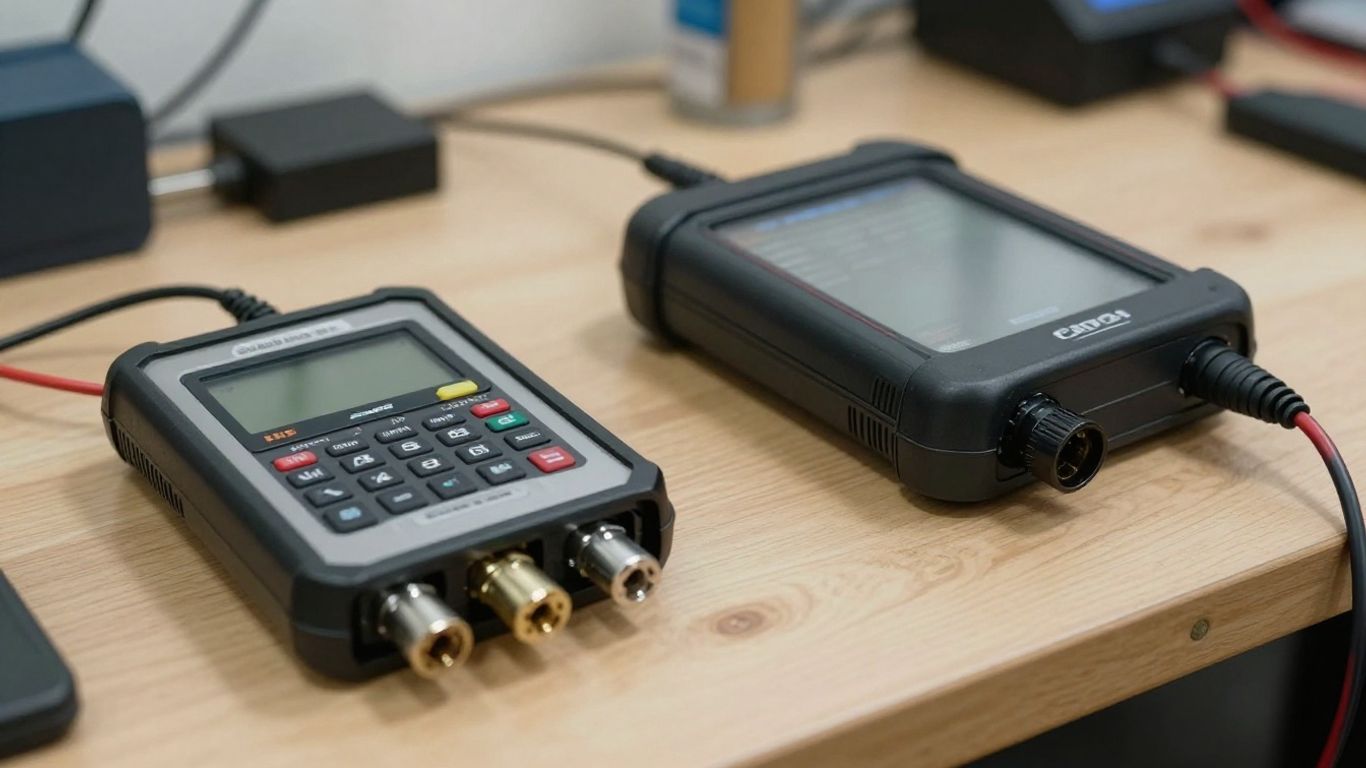
Compatibility is more detailed than matching a badge and model name. The same vehicle line can use different ECUs across production years, engines, transmissions, emissions packages, and regional markets. Collect the old unit’s details and the vehicle identification number before you ask for a quote.
A supplier should be able to explain what information it needs and what is included in the supplied unit. If the listing is vague, pause rather than assuming that a similar-looking connector makes the unit suitable.
Matching the make, model, year, and engine
Start with the exact make, model, build year, engine code, and body configuration. Registration details alone may not identify every variation, particularly where a model received a mid-year update or was sold with more than one engine option.
Photograph the existing ECU label and connectors if possible. A written confirmation from the seller is useful, but it should be based on complete vehicle information rather than a broad model description.
Verifying part numbers, software, and immobiliser requirements
Part numbers are a strong starting point, but they do not always tell the whole story. Software versions, calibration data, immobiliser pairing, key coding, and vehicle relearning may determine whether a replacement will operate correctly.
Ask whether the unit is supplied programmed, whether it needs coding after installation, and which parts of the process are your responsibility. Keep the answer with your purchase records so there is a clear reference if the vehicle does not start after fitting.
Checking transmission, emissions, and regional specifications
Transmission type can affect ECU compatibility, as can emissions equipment and regional calibration. A unit for a manual vehicle may not be suitable for an automatic version, and a part sourced for another market may not match local equipment or programming.
This is also where an apparently cheaper listing can become costly. Confirm the complete specification before comparing prices, especially when freight or a return across borders would be difficult.
Confirming plug-and-play versus custom installation
“Plug-and-play” should be defined rather than assumed. It may mean the connectors fit, while the vehicle still requires immobiliser pairing, software configuration, relearning, or other post-installation work. A custom installation can involve wiring changes, sensors, tuning, and specialist setup.
Request a written installation outline covering included accessories, required tools, programming, and labour. That simple check clarifies the real purchase and helps you select an installer if the job is not suitable for home fitting.
Compare ECU warranty coverage in Australia
A warranty is only useful when you understand what it covers and how a claim works. Read the written terms before purchase, not after a fault appears. Look for the covered product, warranty duration, original-purchaser rules, exclusions, return freight arrangements, and proof-of-purchase requirements.
Australian Consumer Law may provide rights in addition to a written warranty, but that does not remove the value of asking precise questions. The seller’s process can determine how quickly a failed unit is assessed and whether you are left paying for avoidable freight or labour.
What a standard ECU warranty usually includes
Many written warranties focus on defects in materials or workmanship under stated conditions. The remedy may be repair, replacement, or another outcome described in the terms. Installation damage, misuse, incompatible components, and external electrical faults are common areas requiring close attention.
For example, the published Link ECU warranty terms describe coverage for defects in materials and workmanship under normal use and installation, subject to listed limitations. Use that as a reminder to inspect the exact terms for the product you are considering rather than treating every warranty as identical.
Warranty periods, exclusions, and claim conditions
Warranty periods can vary from a fixed number of months to a longer or limited lifetime arrangement. Check when the period begins, whether it applies only to the original purchaser, and whether a replacement receives a new term or only the balance of the original term.
Claim conditions may include proof of purchase, a diagnostic report, return authorisation, careful packaging, or prepaid freight. They may also exclude damage caused by incorrect installation, modification, incompatible software, voltage problems, water, or other external causes.
Understanding limited lifetime and extended warranty offers
“Limited lifetime” does not mean every failure is covered forever. It generally operates within defined conditions, exclusions, ownership rules, and remedies. An extended warranty may add time but still use the same exclusions and claim requirements.
The limited lifetime warranty information for Link ECU products illustrates why the limitations deserve as much attention as the headline duration. Compare the actual remedy and exclusions, not just the number of years shown in an advertisement.
Separating manufacturer warranty from seller guarantees
A manufacturer warranty and a seller guarantee can involve different contacts, procedures, and responsibilities. The seller may handle the original transaction while the manufacturer sets technical conditions, or the seller may offer its own separate coverage for a refurbished unit.
Ask who receives the claim, who pays return freight, and whether diagnostic or installation costs are covered. For another example of a fixed manufacturer term, the published Haltech 12 Month Warranty describes repair or replacement for covered defects with proof of purchase and return requirements.
Choose a trustworthy Australian ECU supplier
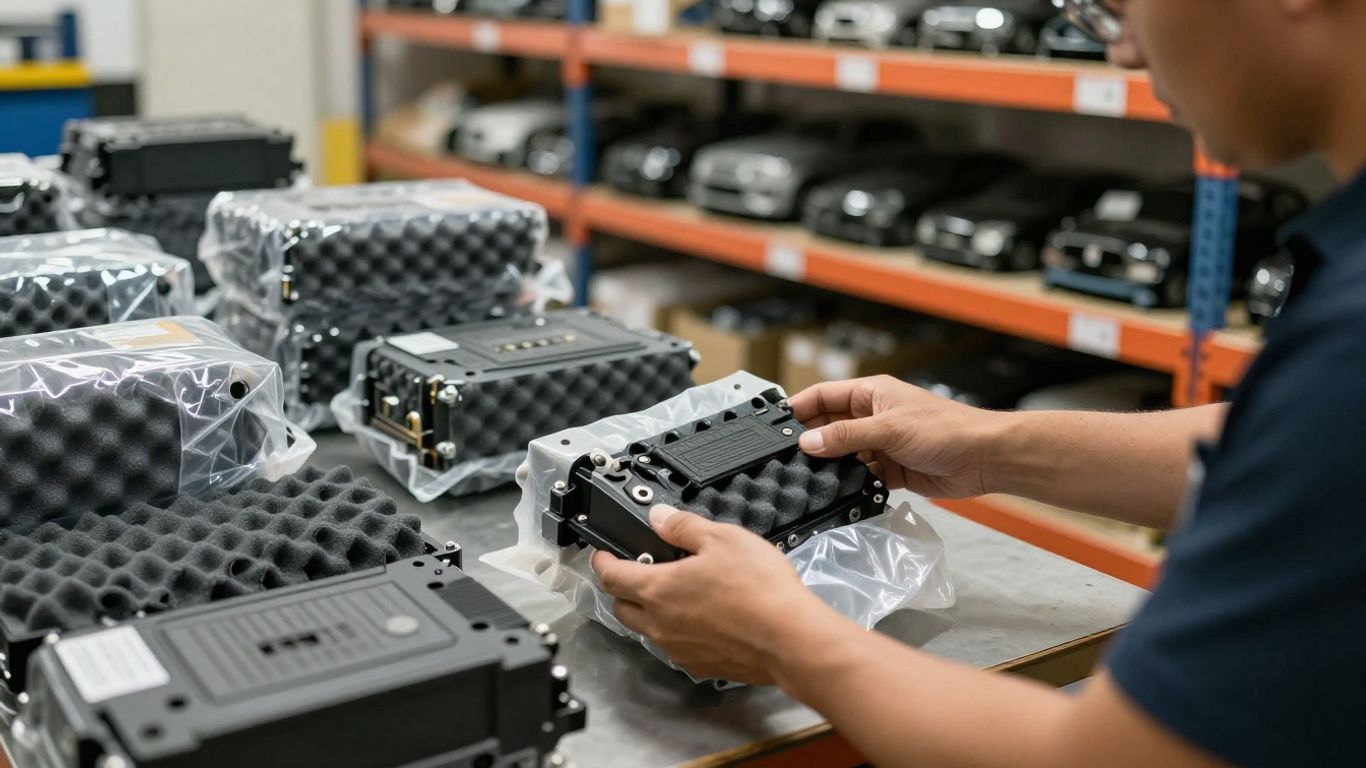
The supplier matters because compatibility questions and warranty claims rarely end at checkout. A dependable seller should provide identifiable business details, a clear product description, sensible support channels, and an understandable returns process. Local availability can also simplify freight, communication, and follow-up.
Do not judge a listing only by its lowest price. A seller that asks for the correct vehicle details before confirming an ECU may be offering a more useful service than one that promises universal compatibility without explanation.
Signs of an established automotive electronics seller
Look for a trading name, contact details, Australian business information, and a written warranty policy. Product pages should explain whether a unit is new, used, refurbished, programmed, or supplied as-is.
Support should also extend beyond payment. A seller that can explain compatibility checks, required coding, and return steps gives you a clearer path if the part needs assessment.
Comparing authorised dealers, specialists, and online marketplaces
An authorised dealer may provide direct access to a manufacturer’s process, while an automotive electronics specialist may offer practical diagnostic and programming knowledge. An online marketplace can provide more choice, but the listing quality and seller responsibilities may vary.
Compare like with like: product condition, programming, warranty length, technical support, shipping, and returns. A marketplace badge alone does not explain who will inspect a failed unit or answer a compatibility question.
Reviewing business details, customer feedback, and support options
Customer feedback can reveal patterns around communication, delivery, packaging, and claim handling, but it should not replace the written terms. Read recent comments with attention to whether reviewers bought the same type of unit and whether the seller responded constructively to problems.
Before paying, send one specific compatibility question. The quality and precision of the answer can tell you more than a generic promise of expert service.
Confirming Australian shipping, returns, and consumer protections
Confirm dispatch location, delivery timing, return address, inspection requirements, and who pays freight when a product is faulty or incorrectly supplied. Keep the invoice and the seller’s written replies. These records help establish what was represented at the time of sale.
If you are considering a product that requires registration, check the official process before ordering. For example, PowerTRONIC warranty registration describes activation, purchase details, and eligibility considerations for official manufacturer warranty and technical support.
Calculate the full cost of an ECU purchase
The advertised ECU price is only one part of the transaction. A replacement may need diagnosis, programming, installation, tuning, freight, and post-installation testing. Work out the likely total before comparing offers so a cheap unit does not become an expensive experiment.
Ask for an itemised quote where possible. It should separate the hardware from services and identify costs that arise only if the vehicle needs additional coding or troubleshooting.
Comparing new, refurbished, and programmed units
A new unit may carry a higher upfront price but offer a different warranty and condition profile. A refurbished unit can be more affordable, although you should ask what testing or restoration was performed. A programmed unit may save workshop time, but confirm which vehicle information was used and what remains to be done.
The most suitable choice depends on availability, vehicle value, diagnostic certainty, and warranty confidence. Avoid comparing a bare used module with a programmed replacement as though they provide the same service.
Accounting for diagnostics, coding, tuning, and installation
Add the cost of confirming the fault, removing and fitting the unit, immobiliser pairing, coding, relearning, and any required tuning. Some vehicles start after a straightforward configuration, while others need specialist equipment or a technician familiar with the system.
A written estimate should state whether post-installation checks are included. If the car remains inoperative, knowing what the original quote covered makes the next decision much easier.
Factoring in shipping, GST, and possible core deposits
Calculate delivery, GST, insurance, and any surcharge before placing the order. A core deposit may apply when the supplier expects the old ECU to be returned, and the refund may depend on its condition and arrival within a specified time.
Ask how the core is packaged and whether return freight is included. This avoids an unpleasant surprise after the replacement has been installed and the old module is no longer easy to access.
Evaluating warranty value against the upfront price
A longer warranty is not automatically better if the exclusions are broad or the claim process is impractical. Consider the seller’s diagnostic support, return freight terms, repair or replacement remedy, and the likelihood of needing paid labour again.
The right comparison is the probable total cost if something goes wrong, not simply the cheapest checkout figure. That is especially relevant for an ECU whose failure can leave the vehicle unusable.
Prepare for installation and ECU programming
Installation planning should begin before the replacement arrives. Confirm whether the vehicle needs coding, immobiliser pairing, key programming, or relearning, and decide who will perform those steps. A physically correct unit can still fail to operate if configuration is incomplete.
Keep the vehicle’s battery healthy and make sure the installer has the relevant fault information. Good preparation reduces unnecessary attempts and gives the technician a clearer baseline for testing.
Deciding between DIY installation and a qualified technician
DIY replacement may be reasonable for an experienced owner when the unit is genuinely straightforward and no specialist programming is required. Electrical damage, immobiliser work, or uncertain compatibility changes the risk considerably.
A qualified technician can protect the module from handling errors, test the surrounding circuits, and complete post-installation procedures. Their labour is an added cost, but it may be less expensive than damaging a replacement through an avoidable wiring or voltage fault.
Immobiliser pairing, key coding, and vehicle relearning
Many vehicles use security and learned data that must be matched to the replacement ECU. The exact process varies, so ask the supplier or installer what equipment and information are required before fitting.
Do not assume that a successful physical installation means the job is complete. Confirm that the vehicle starts, communicates with diagnostic equipment, and has no unresolved security or configuration faults.
A video can help explain the general sequence of ECU replacement, but it cannot substitute for vehicle-specific instructions. Use generic demonstrations for orientation only and follow the procedure appropriate to your exact model.
Protecting the ECU from voltage spikes and wiring faults
Battery chargers, jump starts, poor grounds, reversed connections, water, and damaged wiring can create conditions that harm electronic modules. Inspect connectors and harnesses before installation, and use the electrical protection procedure recommended for the vehicle.
If the original ECU failed after a wiring or charging problem, fix that underlying issue first. Otherwise, a new unit may be exposed to the same cause and the warranty assessment may become difficult.
Keeping installation records for future warranty claims
Keep the invoice, part number, vehicle details, diagnostic report, installation date, technician’s invoice, and programming confirmation together. Take photographs of the labels and installation where appropriate, especially if a core return is required.
These records show what was fitted, how it was installed, and what testing was completed. They also help a supplier decide whether a reported fault is likely to involve the ECU or another vehicle system.
Protect your warranty after installation
Warranty protection continues after the ECU is fitted. Follow the supplier’s instructions, retain evidence of proper installation, and respond promptly if a fault appears. Avoid dismantling or modifying the unit before the seller has provided claim instructions.
A careful owner does not need to treat every later vehicle fault as a warranty claim. Document the symptom and testing first, then contact the appropriate party with useful information.
Following the supplier’s fitting and usage requirements
Read the fitting instructions, operating limits, programming notes, and return conditions before use. Some products are intended for particular applications or installation environments, so the vehicle’s use and configuration may affect eligibility.
If a supplier requires a qualified installation or specific testing, obtain that service and keep the paperwork. Compliance is easier to demonstrate when it was planned from the start rather than reconstructed after a failure.
Avoiding modifications that may invalidate coverage
Performance modifications, incompatible software, wiring changes, water exposure, and incorrect components can affect a claim, depending on the written terms and the connection to the reported fault. Do not assume a modification is harmless simply because the vehicle still runs.
The ECU remap and warranty guide discusses how a remap does not automatically void every warranty claim under Australian Consumer Law, while also explaining why a modification that causes a particular failure can create a genuine dispute. Check the specific facts and the applicable terms.
Documenting fault codes, testing, and maintenance
When a problem occurs, record the warning lights, symptoms, fault codes, battery condition, recent work, and circumstances in which the fault appeared. Avoid repeatedly clearing codes without recording them, since that can remove useful evidence.
A short timeline is often more valuable than a vague statement that the ECU “stopped working.” Give the supplier the vehicle identification details, installation information, and test results in one clear message.
Handling returns, replacements, and warranty disputes in Australia
Contact the seller promptly and follow the stated return authorisation process. Do not send an ECU without confirming the address, packaging requirements, and documents needed for assessment. If the claim is declined, ask for the reason in writing and identify the relevant warranty clause.
Keep communications factual and preserve receipts, tracking details, inspection reports, and photographs. If the matter cannot be resolved, seek information about your rights under Australian Consumer Law and the appropriate state or territory consumer agency.
Conclusion
The best way to buy ECU with warranty Australia is to treat the purchase as a compatibility and support decision, not just a hunt for the lowest price. Diagnose the fault, verify the exact unit, calculate the complete cost, and choose a supplier whose warranty process you can understand and use.
Frequently Asked Questions
How do I know whether my ECU needs replacing?
A fault code or no-start condition does not prove ECU failure. Have power, grounds, wiring, connectors, sensors, and communication systems tested before ordering a replacement.
What information should I give an ECU supplier?
Provide the make, model, build year, engine, transmission, vehicle identification number, ECU part number, software details if available, and a description of the diagnostic findings.
Does a replacement ECU usually need programming?
Many vehicles require some combination of coding, immobiliser pairing, key matching, or relearning. Ask the supplier or technician exactly what is included and what must be completed after installation.
Is a refurbished ECU worth considering?
It can be worthwhile when the unit has been properly tested and the warranty is clear. Confirm its condition, testing process, programming status, return terms, and who handles a claim.
What should an ECU warranty cover?
The written terms should explain the covered defects, duration, remedy, exclusions, proof-of-purchase requirements, return process, and responsibility for freight or related costs.
Can modifications affect ECU warranty coverage?
They can, depending on the warranty terms and whether the modification contributed to the failure. Keep records and ask for written clarification before changing software, wiring, or related components.
What records should I keep after installation?
Keep the invoice, part number, diagnostic report, programming confirmation, installer details, fault codes, photographs, shipping records, and all warranty communications.