

Key Takeaways
An engine computer import to Australia involves more than finding a cheaper replacement. Confirm the exact module, check the import requirements, and calculate the landed cost before paying.
- Match the ECU, ECM, or PCM by vehicle, engine, part number, and software details.
- Check customs, biosecurity, tax, and restricted-goods requirements before shipping.
- Compare the complete landed cost rather than the overseas purchase price alone.
- Ask sellers for testing evidence, compatibility confirmation, and clear return terms.
- Arrange immobiliser pairing, coding, or programming with a qualified technician where required.
Understanding the engine computer you need
An engine computer is a vehicle-specific electronic module, so a visually similar unit may still be incompatible. The terms ECU, ECM, and PCM are often used differently by manufacturers, but all can refer to control hardware involved in engine operation. Before beginning an engine computer import to Australia, identify the module and confirm how it communicates with the rest of the vehicle.
ECU, ECM, and PCM terminology explained
An ECU usually means an engine control unit, while ECM commonly means engine control module. PCM can refer to a powertrain control module that manages engine functions and, in some vehicles, communicates with transmission controls. The naming matters less than the module’s actual application, connector layout, calibration, and relationship with the vehicle network.
Do not assume that an ECU from the same model range will perform the same job. Model year changes, engine options, transmission types, and market-specific calibrations can all affect compatibility.
Matching the computer to your vehicle and engine
Start with the vehicle identification number, engine size, fuel system, transmission, model year, and market. Compare those details with the original unit’s label and connector arrangement. Just Engine Computers Supplier describes its ECU range as new, reconditioned, and used, with fitment checked against the vehicle’s make, model, year, engine type, and VIN.
A seller should be able to explain what information is needed before confirming an order. If the response is simply “it looks the same,” pause and request a proper cross-check. That small delay is cheaper than importing a module that cannot be coded or connected.
Identifying part numbers, revisions, and software versions
Record every number printed on the casing, label, barcode, and circuit-board sticker. One vehicle may use several revisions of a module, and a later revision may require different programming or supporting hardware. Photograph the original unit before removing it, including connectors and any calibration labels.
Software is just as relevant as the casing. Ask whether the replacement is supplied programmed, blank, locked to another vehicle, or ready for local coding. Keep the seller’s written answer with the invoice in case the module later proves unsuitable.
Used, refurbished, and new engine computers compared
New, refurbished, and used modules each involve different trade-offs. A new unit may offer the clearest history but can cost more; a refurbished unit depends on the quality of its testing and repair; and a used unit can be economical when its exact history and compatibility are known.
Condition alone should not decide the purchase. Testing evidence, a matching part number, a practical warranty, and the ability to return an incompatible unit are more useful than a vague promise that the part is “good.”
Checking Australian import requirements
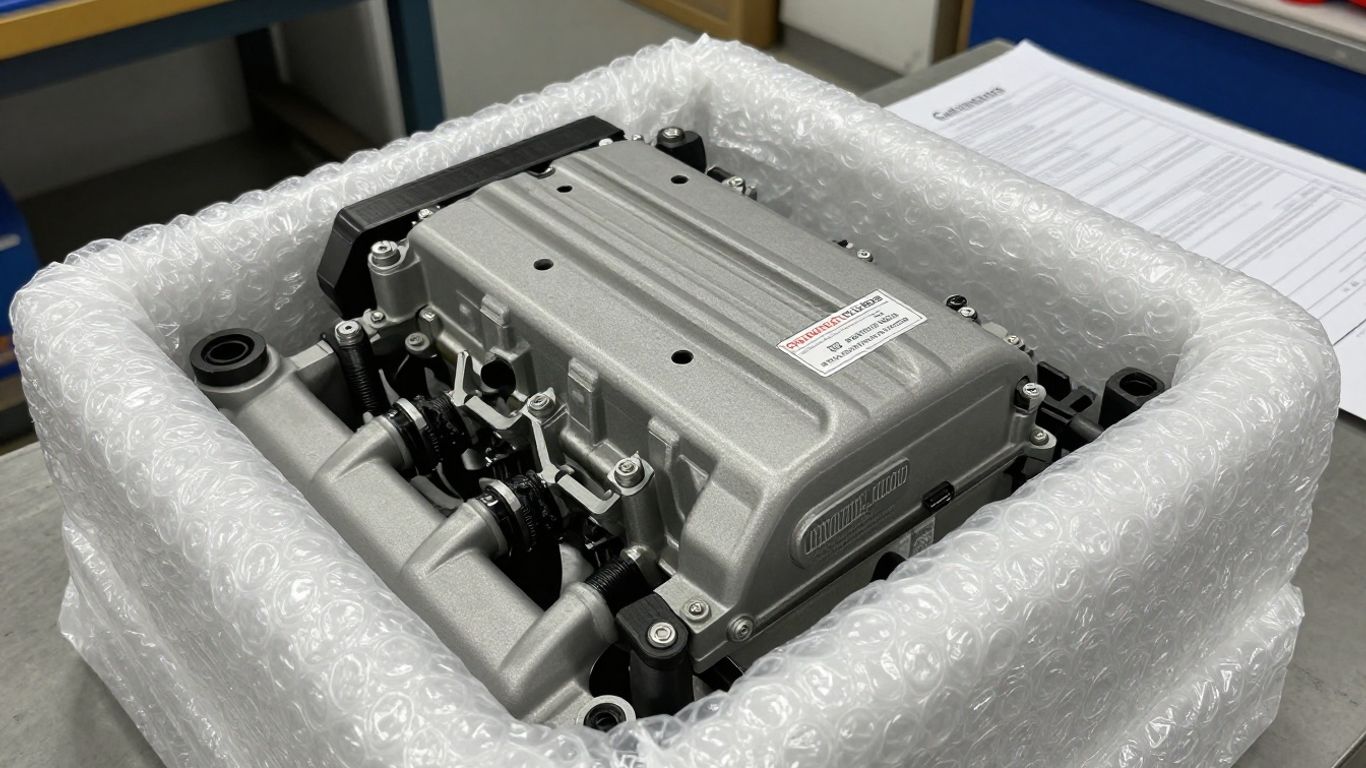
Electronic automotive parts are not handled in exactly the same way as complete vehicles, but the shipment still needs accurate descriptions and supporting paperwork. Requirements can depend on the item’s condition, value, country of origin, and packaging. Review the Australian import requirements before sending payment, then confirm any uncertain point with the relevant Australian authority or customs professional.
Customs rules for automotive electronic parts
Describe the item plainly as an automotive engine control computer or electronic control module, and state whether it is new, used, or refurbished. A vague description such as “car part” may create avoidable questions during assessment. The commercial invoice should also identify quantity, price, currency, seller, buyer, and country of origin.
Customs treatment can depend on the classification and declared value. Keep the purchase receipt, freight confirmation, and payment record together so the declared information can be supported if requested.
Biosecurity and contamination risks from used components
A used module is primarily an electronic item, but packaging and attached components can still carry dirt, plant material, grease, or other contamination. Clean the casing and remove loose debris before packing. Do not include soil, organic material, or unnecessary vehicle parts in the same parcel.
Photographs of the clean module before dispatch can help establish its condition. They also give the buyer and seller a useful record if packaging is opened or an inspection occurs.
When permits, declarations, or supporting documents may apply
Many ordinary electronic parts will be supported by standard shipping and customs documents, but the applicable process can vary. Ask the carrier whether any declaration is required and check whether the shipment falls under special rules because it contains batteries, fluids, or other associated materials.
A seller should not guess on your behalf. Provide an accurate description, retain the invoice, and seek current advice when the item’s classification or value is unclear.
Restricted goods and compliance issues to review
The module itself may not be the only compliance consideration. Review the parcel contents, transport restrictions, export rules in the sending country, and any Australian requirements that apply to used goods or electronic equipment. The Australian imports country guide is a useful starting point for tax, valuation, admissibility, and restricted-commodity questions, although current official guidance should take priority.
If a shipment is delayed, answer customs or carrier requests promptly and consistently. Contradictory descriptions or missing paperwork can cause more trouble than the part itself.
Calculating the total import cost
The advertised overseas price is only one part of the budget. Freight, insurance, currency conversion, taxes, brokerage, and possible storage charges can change the final figure. Build the estimate before ordering so a low listing price does not disguise an uneconomical purchase.
Purchase price and international shipping
Begin with the exact module price and add packing, export handling, and international freight. Ask whether the quote includes tracking and whether delivery is to your address or only to a depot. A seller offering several shipping speeds should explain what each service includes rather than presenting a bare delivery number.
Also consider the cost of sending a core back if the purchase is part of an exchange program. That return freight may be excluded from the initial quote.
GST, customs duty, and import processing charges
Australian GST, duty, and processing charges depend on the goods, their value, classification, and the applicable import arrangement. Do not rely on a generic percentage without checking the current treatment of the specific shipment. The importer may also encounter a carrier disbursement or clearance fee.
The seller’s invoice should make the price and freight distinct where possible. Clear figures make it easier to understand how the shipment was valued and to challenge an obvious paperwork error.
Currency conversion and payment fees
A card provider or payment service may use its own exchange rate and add a foreign transaction fee. Compare the amount that will actually leave your account, not only the price shown in a foreign currency. Keep screenshots of the listing and final checkout total if the exchange rate changes between quotation and payment.
Payment protection can also matter. A traceable payment method gives you a better record than an informal transfer, particularly when the seller is overseas and the return process is uncertain.
Estimating the final landed cost in Australia
A simple worksheet turns several uncertain figures into a useful decision. The following structure separates the main cost categories without pretending that every shipment attracts the same charges.
| Cost component | What to record | Why it matters |
|---|---|---|
| Module price | Foreign-currency purchase amount | Establishes the starting cost |
| Freight and insurance | Tracked delivery and cover | Shows the cost of getting the part here safely |
| Taxes and duty | Current applicable assessment | May materially change the total |
| Clearance and payment fees | Carrier, broker, and conversion charges | Captures costs often omitted from listings |
Add the rows using the exchange rate that will apply at payment, then compare the result with a locally available alternative. A lower overseas price is useful only if the total remains sensible after delivery and import charges.
Choosing a reliable overseas seller
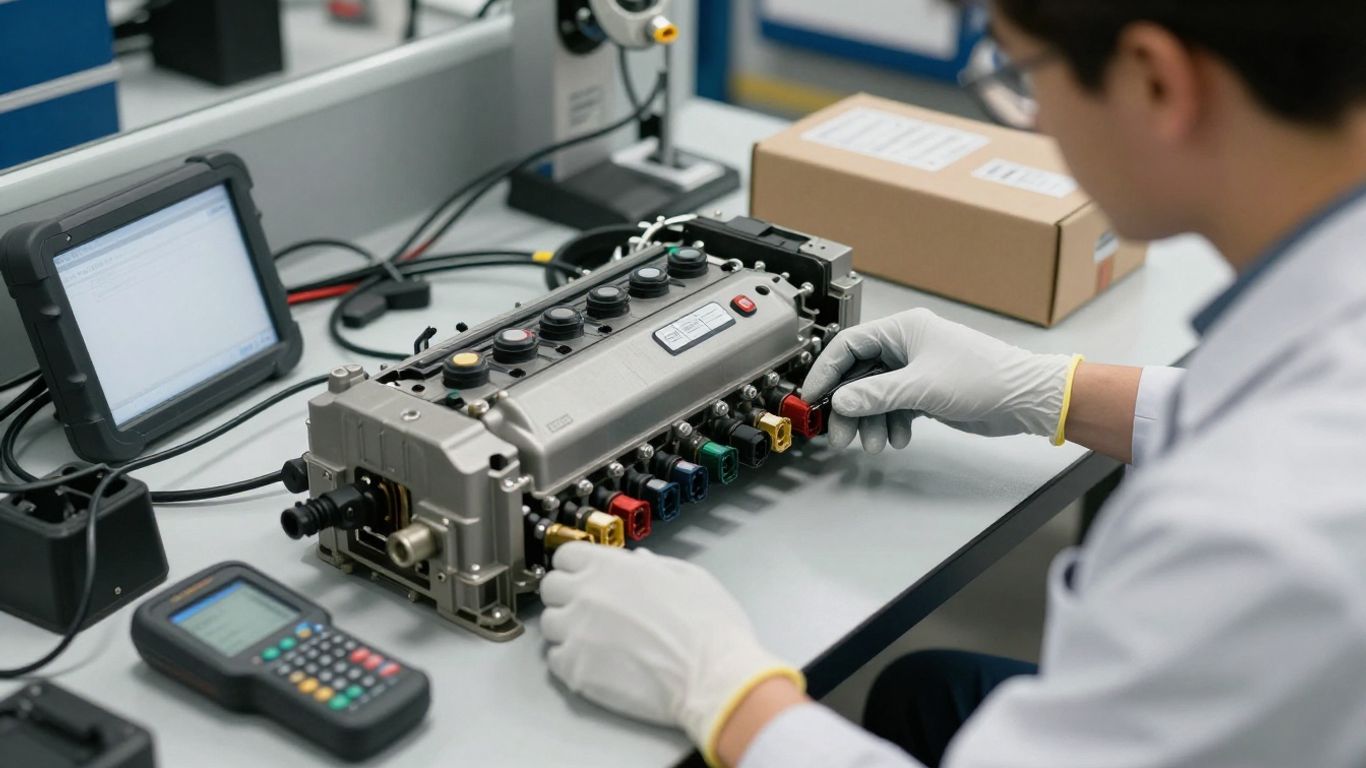
A reliable seller should answer specific questions before taking payment. Look for clear identification of the module, realistic condition descriptions, evidence of testing, and terms that explain what happens if the part is wrong. The best exchange is not necessarily the cheapest listing; it is the one with the least uncertainty attached.
Verifying the supplier’s business details and reputation
Check the trading name, physical or registered address, contact details, selling history, and independent customer feedback. A professional supplier should provide a proper invoice and respond consistently across email, marketplace messages, and payment documentation.
Just Engine Computers Supplier states that its ECU range is supplied for customers across Australia, New Zealand, and Fiji, with tracked shipping available. That kind of delivery information is useful to compare, but you should still confirm the terms that apply to your particular order.
Requesting testing records and compatibility information
Ask what was tested, when it was tested, and whether the test relates to the exact part number being offered. Request a photo of the label and ask the seller to confirm the vehicle details in writing. If the module is refurbished, ask what restoration work was performed and whether any known limitations remain.
A good exchange should leave you with a written compatibility trail. Save the VIN details, part-number comparison, photographs, and seller’s confirmation alongside the order.
Confirming return, warranty, and refund policies
Read the policy before purchasing, especially when programming or installation may alter the module. Check the warranty length, exclusions, return window, restocking fees, responsibility for return freight, and the process for reporting a fault. Confirm whether an item that arrives incompatible is treated differently from one that fails after installation.
Do not assume that a warranty covers labour, diagnostic time, coding, or customs charges. Those costs can remain with the buyer even when the seller accepts the return.
Avoiding counterfeit, locked, or damaged modules
Be cautious of missing labels, altered serial numbers, unusually low prices, stock photographs, and sellers who avoid direct compatibility questions. A module can be genuine but locked to another vehicle, damaged by moisture, or unsuitable for a different regional calibration.
Just Engine Computers Supplier says its parts undergo testing and that fitment details are checked before an order is confirmed. Treat that as a reason to provide complete vehicle information, not as permission to skip your own review of the invoice and return terms.
Preparing the engine computer for shipping
Good packing protects both the electronics and the evidence of their condition. Before dispatch, confirm the module, photograph it, and make sure the parcel description agrees with the invoice. Careful preparation reduces avoidable disputes when the package crosses borders.
Protecting sensitive electronics from static and impact
The module should be protected from electrostatic discharge, vibration, moisture, and crushing. Use an antistatic bag where appropriate, cushioning on all sides, and a rigid outer carton. Do not let connectors press directly against hard packing material or allow the unit to move inside the box.
The seller should seal the parcel against ordinary handling and weather exposure. Photographs of the packed item can help distinguish pre-existing damage from damage caused during transport.
Selecting tracked and insured delivery
Choose a service with end-to-end tracking and ask what compensation applies if the parcel is lost or damaged. Tracking is especially useful when customs requests information or a delivery attempt fails. Insurance terms should be read carefully because some carriers exclude used parts or limit cover for inadequately packed electronics.
Keep the tracking number, dispatch date, and delivery estimate. If the parcel stops moving, contact the carrier and seller while the claim window is still open.
Providing accurate commercial invoice details
The invoice should identify the item, condition, quantity, value, currency, origin, and intended use. It should not describe a used ECU as a generic accessory or assign a value that does not match the transaction. Accuracy helps customs assess the parcel and gives you a defensible purchase record.
Check that the buyer name and delivery address match the shipping label. Small inconsistencies can delay a package or create questions at clearance.
Handling core returns and exchange-program requirements
If the seller requires the old module in exchange, clarify the deadline, packaging standard, return address, and acceptable condition before ordering. Ask whether the core must be the same part number and whether missing labels or physical damage affects the refund or surcharge.
Keep the old unit until the replacement has been tested and the return instructions are clear. Sending it away too early can remove a useful diagnostic reference and leave you without leverage if the replacement is unsuitable.
Installing and programming the imported unit
Installation is not always a simple unplug-and-replace job. Some vehicles require security pairing, VIN writing, software updates, or adaptation procedures before the engine will start. Plan for diagnosis and programming costs when calculating the import budget.
Confirming whether immobiliser pairing is required
An immobiliser may prevent the vehicle from starting when a replacement computer is installed. Depending on the vehicle, pairing may involve a security code, a scan tool, a key-learning process, or coordination with another control module. Ask the technician what information and equipment will be needed before fitting the imported unit.
Do not repeatedly crank a vehicle that has a communication or security fault without a diagnostic plan. Repeated attempts can confuse the symptoms and make the original problem harder to isolate.
Understanding VIN coding and ECU reflashing
VIN coding assigns vehicle identity information to the module, while reflashing changes or restores its software. These are different operations and may require different equipment or access credentials. A replacement that is mechanically correct may still need one or both procedures.
Ask whether programming is performed before shipping or locally. Written confirmation matters because a module sold as ready to install may not be ready for a particular vehicle configuration.
Checking regional software and emissions compatibility
Software and calibration can vary by market, fuel specification, emissions equipment, and transmission. A unit sourced overseas may communicate differently or expect hardware that is not fitted to an Australian vehicle. Confirm regional compatibility before assuming that the same model name means the same calibration.
This is also where compliance deserves care. A competition-only engine-management product or altered calibration may not be suitable for a road vehicle, regardless of whether the hardware can be made to operate.
Using a qualified Australian technician
A qualified technician can scan the vehicle before replacement, verify power and ground circuits, perform programming, and confirm that the new module communicates correctly. Provide the original symptoms, diagnostic results, imported part number, and seller correspondence rather than presenting the module without context.
A careful installation record should include the pre-installation fault codes, programming steps, post-installation scan, and road-test findings. That record is valuable if a warranty claim becomes necessary.
Troubleshooting problems after import
A no-start condition after installation does not automatically prove that the imported module is defective. Wiring, a discharged battery, immobiliser pairing, incorrect programming, and an unrelated original fault can produce similar symptoms. Work through the evidence in a set order before removing the unit or filing a claim.
Diagnosing no-start and communication faults
Check battery voltage, fuses, grounds, connectors, and network communication first. A scan tool may show whether the module is visible, whether it has the correct VIN, and whether another control unit is blocking operation. Record the exact symptoms rather than relying on a general statement that the car “doesn’t work.”
If the module cannot communicate at all, stop and verify power and ground at the connector. Installing another part without checking those circuits may create the same result twice.
Resolving mismatched sensors or control modules
A replacement computer may expect sensors, injectors, keys, transmission modules, or emissions equipment that differ from those fitted to the vehicle. Compare the part number and software details again, then check whether the vehicle requires adaptations after installation. A mismatch can present as a starting problem, rough running, warning light, or poor drivability.
Ask the technician to separate a configuration issue from a hardware failure. That distinction determines whether coding, wiring repair, or a return is the appropriate next step.
Checking diagnostic trouble codes and wiring
Save all diagnostic trouble codes before clearing them. Note which codes return immediately, which appear only after cranking, and whether they relate to communication, sensor plausibility, power supply, or security. Inspect terminals for bent pins, corrosion, pushed-back contacts, and damaged harness insulation.
The original module can also be useful for comparison if it is still available. Swapping parts repeatedly without recording each change makes the diagnostic history difficult to interpret.
Knowing when to pursue a warranty claim or return
Contact the seller when the evidence points to an incompatible, damaged, or failed module and you have followed the stated installation conditions. Send the part number, VIN, scan reports, photographs, programming details, and a concise description of the fault. Ask for written return instructions before shipping anything back.
Just Engine Computers Supplier describes its units as tested, but any warranty decision still depends on the order terms and the facts of the individual case. Keep the packaging and do not authorise irreversible modifications until the seller confirms the next step.
Conclusion
A successful engine computer import to Australia comes from matching the right module, documenting the transaction, allowing for every landed cost, and arranging competent programming after arrival. Careful checks before purchase are usually more valuable than chasing the lowest overseas price.
Frequently Asked Questions
Is importing an engine computer to Australia legal?
Automotive electronic modules can generally be imported when the shipment meets applicable customs, biosecurity, transport, and documentation requirements. Confirm the current rules for the exact item, condition, value, and parcel contents before shipping.
How do I know which ECU will fit my vehicle?
Use the VIN, vehicle model year, engine, transmission, original part number, connector layout, and software details. Ask the seller to confirm compatibility in writing rather than relying on appearance alone.
Will a replacement ECU start the vehicle immediately?
Not always. The module may require immobiliser pairing, VIN coding, reflashing, key learning, or adaptation before the vehicle starts and operates correctly.
Are used engine computers worth buying?
A used unit can be worthwhile when its part number matches, its condition and testing are documented, and the seller offers practical return or warranty terms. The lowest price is not the only factor.
What documents should accompany the shipment?
Keep the commercial invoice, payment record, freight details, tracking information, part description, condition, value, and country of origin. Additional documents may apply depending on the parcel and its contents.
What should I do if the imported module causes a no-start condition?
Check battery voltage, fuses, grounds, connectors, communication, immobiliser status, and diagnostic trouble codes. Have a qualified technician compare the replacement with the original before assuming the module is faulty.
Can customs charges make an overseas purchase uneconomical?
Yes. GST, possible duty, freight, insurance, currency conversion, carrier fees, clearance charges, and return freight can substantially change the final cost. Estimate the complete landed amount before ordering.