

Key Takeaways
A rough idle after an ECU reset is often temporary, but it should improve as the vehicle relearns its operating settings. These points will help you separate normal adaptation from a fault that needs testing.
- The ECU may need to relearn idle speed, fuel corrections, throttle behavior, and, in some vehicles, shift patterns.
- Relearning commonly takes several drive cycles and may require roughly 50 to 100 miles, depending on the vehicle.
- Vacuum leaks, dirty throttle bodies, weak ignition parts, and faulty sensors can mimic normal relearning.
- A steady mix of warm-up, city, and highway driving is usually more useful than extended idling.
- A flashing check-engine light, severe shaking, or loss of power calls for immediate professional attention.
Why a car may run rough after an ECU reset
An ECU reset clears learned adjustments and returns the control system closer to its baseline settings. The car then has to rebuild corrections for idle speed, air and fuel delivery, ignition timing, and sometimes transmission behavior. That temporary mismatch can make a previously smooth engine feel unsettled. A relearn process guide can provide useful general background, but the exact behavior depends on the vehicle.
How ECU memory affects fuel and ignition control
During normal driving, the ECU compares sensor readings with engine behavior and adjusts fuel delivery and ignition timing. It stores some of those corrections so the engine can respond more smoothly the next time conditions are similar. After a reset, those learned values are absent, so the system starts with broad default assumptions and gradually refines them.
The result may be a slightly uneven idle, a hesitant first acceleration, or changes in fuel economy for a short period. A temporary rough idle is not automatically evidence of a failed component, especially if the engine improves as it reaches operating temperature and completes more drive cycles.
Why idle, shifting, and throttle response can change
The largest changes are often felt at low speed. The throttle may respond differently, idle speed may rise or dip, and an automatic transmission may hold a gear longer or shift at unfamiliar points while control modules rebuild their adaptations. These sensations should be mild and should trend toward normal rather than become more pronounced.
Avoid judging the car after one stoplight or one short trip. A reset can expose an underlying issue that adaptive data had been masking, so a persistent stumble deserves diagnosis rather than repeated clearing.
Normal relearning symptoms versus warning signs
Normal adaptation tends to be intermittent and relatively mild. The engine may hunt briefly at idle, feel less polished during the first few accelerations, or show small changes in shift quality. Warning signs are stronger, repeatable, or accompanied by a stored fault code.
Watch for shaking that continues when warm, a strong fuel smell, backfiring, stalling, severe hesitation, or a check-engine light that returns immediately. Those symptoms point beyond ordinary relearning and should guide the next diagnostic step.
How the vehicle’s age and system design affect relearning
Older vehicles may use simpler adaptive strategies, while newer cars can coordinate engine, throttle, transmission, and emissions systems. Some models relearn through ordinary driving; others require a scan tool or a precise idle and throttle procedure. Battery condition, sensor design, and the reason for the reset also affect the outcome.
Do not assume that a procedure for one model applies to another. A vehicle-specific service manual or a safe Nissan ECU reset guide is more appropriate when the car is a Nissan, particularly after a battery change or sensor replacement.
How long ECU relearning usually takes
There is no universal mileage figure because the ECU learns under changing conditions rather than from distance alone. Many cars feel noticeably better within the first few trips, while complete fuel-trim and transmission adaptation can take longer. The important pattern is gradual improvement without severe symptoms.
What happens during the first few minutes of driving
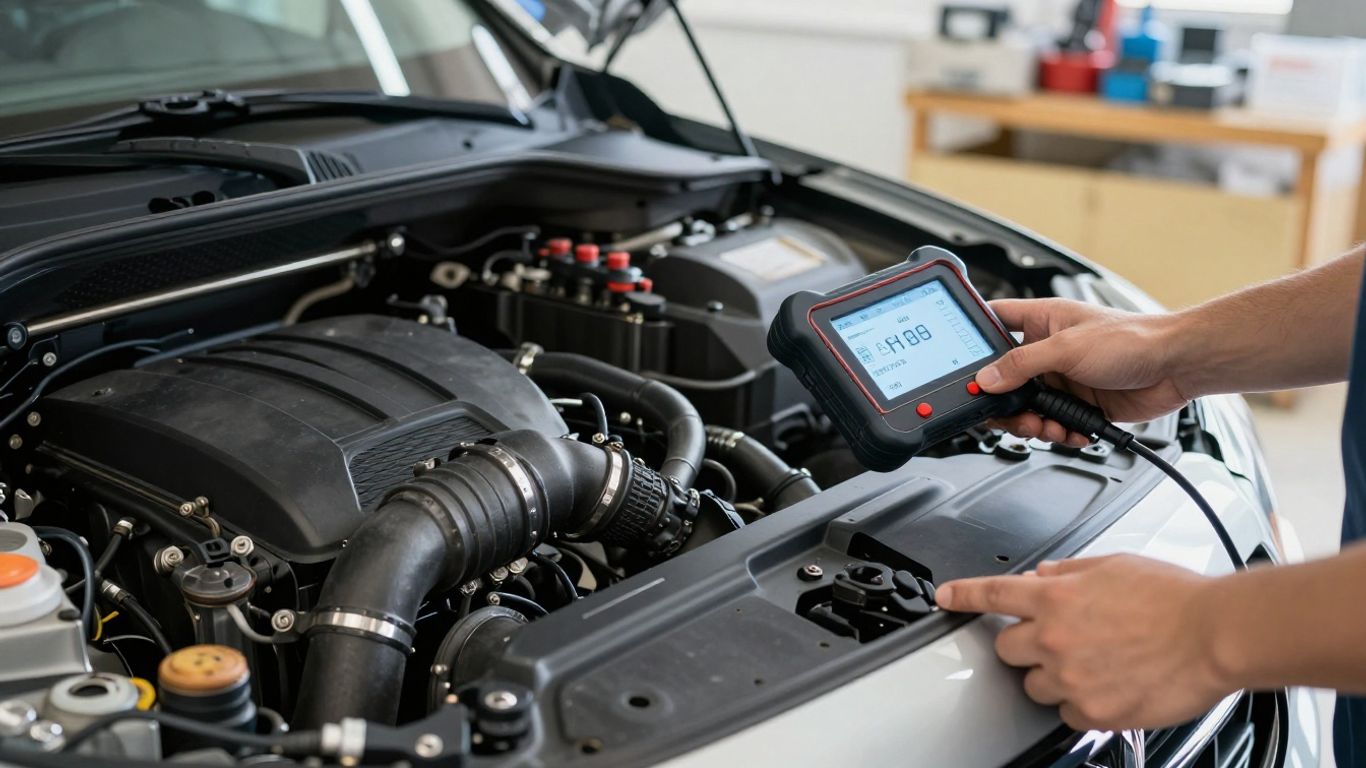
The first few minutes allow the ECU to observe coolant temperature, throttle position, engine speed, airflow, and oxygen-sensor feedback. Cold-start behavior may feel different from warm idle, and the system may make several small corrections as conditions change. Gentle acceleration is preferable while these initial adjustments take place.
Let the engine warm naturally and pay attention to whether the idle settles. If it remains unstable after reaching normal temperature, do not assume more driving will solve it.
How many miles the relearn process may require
Some vehicles can restore acceptable drivability after a few complete drive cycles. Others may need approximately 50 to 100 miles of varied driving before all adaptive values settle, though the manufacturer’s procedure is the better reference. A reset does not repair a vacuum leak, worn plug, failing sensor, or fuel-pressure problem.
The following rough guide helps set expectations without treating mileage as a guarantee:
| Driving stage | What the ECU may be learning | What you may notice |
|---|---|---|
| Cold start and warm-up | Temperature-based fueling and idle control | Higher or uneven initial idle |
| City driving | Throttle response, stops, and low-speed fueling | Mild hesitation or changing shift points |
| Steady cruising | Oxygen-sensor feedback and fuel corrections | Gradually smoother running |
| Mixed drive cycles | Broader adaptation across conditions | More consistent idle and acceleration |
After each stage, compare the symptoms rather than simply adding miles. Improvement matters more than reaching a particular number.
Driving conditions that help the ECU recalibrate
A calm, varied drive gives the system more useful information than holding one speed for an entire trip. Once the car is safe to drive, include normal stops, gentle acceleration, steady cruising, and periods of deceleration. Do not use aggressive throttle inputs to force the relearn.
A practical sequence is to warm the engine, drive through local streets, merge carefully onto a highway, and then allow a normal cooldown. If the vehicle begins misfiring or loses power, stop the relearn attempt and investigate the cause.
Why short trips and extended idling can delay adaptation
Repeated short trips may never provide enough warm operating time for all sensors and control strategies to contribute reliable data. Extended idling is not a substitute for varied driving because it exercises only a narrow portion of the operating range. It can also make a weak ignition or air-fuel problem more noticeable without resolving it.
Use several ordinary trips instead of one long period parked in the driveway. A reset should be followed by observation, not by endless idling or repeated battery disconnections.
Common causes of rough running after the reset
When a car running rough after ECU reset does not improve, look for faults that were already present or became apparent when the learned corrections disappeared. The reset itself is rarely the mechanical cause of a continuing misfire. Basic air, fuel, ignition, and sensor checks can narrow the possibilities quickly.
Vacuum leaks and unmetered air entering the engine
A split intake boot, loose hose, failed PCV connection, or leaking intake gasket can let air enter without being measured correctly. The ECU then struggles to maintain the intended mixture, especially at idle, where a small leak has a larger effect. Common clues include a high idle, whistling sound, lean fuel-trim readings, or an engine that improves slightly with added throttle.
Inspect visible hoses and clamps first, but remember that some leaks are hidden beneath the intake manifold. Smoke testing is often more reliable than relying on sound or visual inspection alone.
Dirty throttle bodies and malfunctioning idle controls
Carbon around the throttle plate can restrict the small amount of air needed to stabilize idle. On vehicles with a separate idle-air control valve, sticking or contamination can produce similar symptoms. Cleaning may help, but electronic throttle bodies often require a calibration or relearn afterward.
Do not force a motorized throttle plate or spray cleaner indiscriminately into electrical components. Follow the service information for the specific design, and check whether the throttle issue is mechanical, electrical, or calibration-related.
Faulty mass airflow, oxygen, or coolant temperature sensors
The mass airflow sensor helps the ECU estimate incoming air, oxygen sensors report exhaust oxygen content, and the coolant temperature sensor helps determine cold-start and warm-running strategy. A contaminated sensor, damaged connector, or inaccurate reading can make the engine run rich or lean after the reset.
A code alone does not prove that the sensor itself has failed. Wiring, intake leaks, exhaust leaks, and poor grounds can create similar data. Compare live readings with the engine’s actual temperature and behavior before replacing parts.
Weak ignition components, fuel delivery issues, or injector problems
Worn spark plugs, failing coils, low fuel pressure, restricted filters, and unbalanced injectors can all create rough running. A reset may make these issues more obvious because previous corrections are no longer compensating for them. Misfire behavior under load is especially useful: ignition faults often worsen during acceleration, while some air leaks are most obvious at idle.
A sensible first pass is to check these basic possibilities:
- Confirm that every intake hose and electrical connector is seated.
- Look for recent work that may have disturbed a coil, plug, ground, or vacuum line.
- Check for misfire codes and determine whether they affect one cylinder or several.
- Compare fuel pressure and injector operation with the vehicle’s service specifications.
These checks help prevent random parts replacement. If the fault follows a coil or injector during a controlled test, the next repair decision becomes much clearer.
A safe step-by-step relearn procedure
A safe relearn starts with the vehicle in sound mechanical condition. Make sure the battery is charged, accessories are off when appropriate, and the car is parked where it can be driven without unnecessary risk. The process should be gentle; it is not a performance test.
Checking battery voltage and reconnecting electrical components
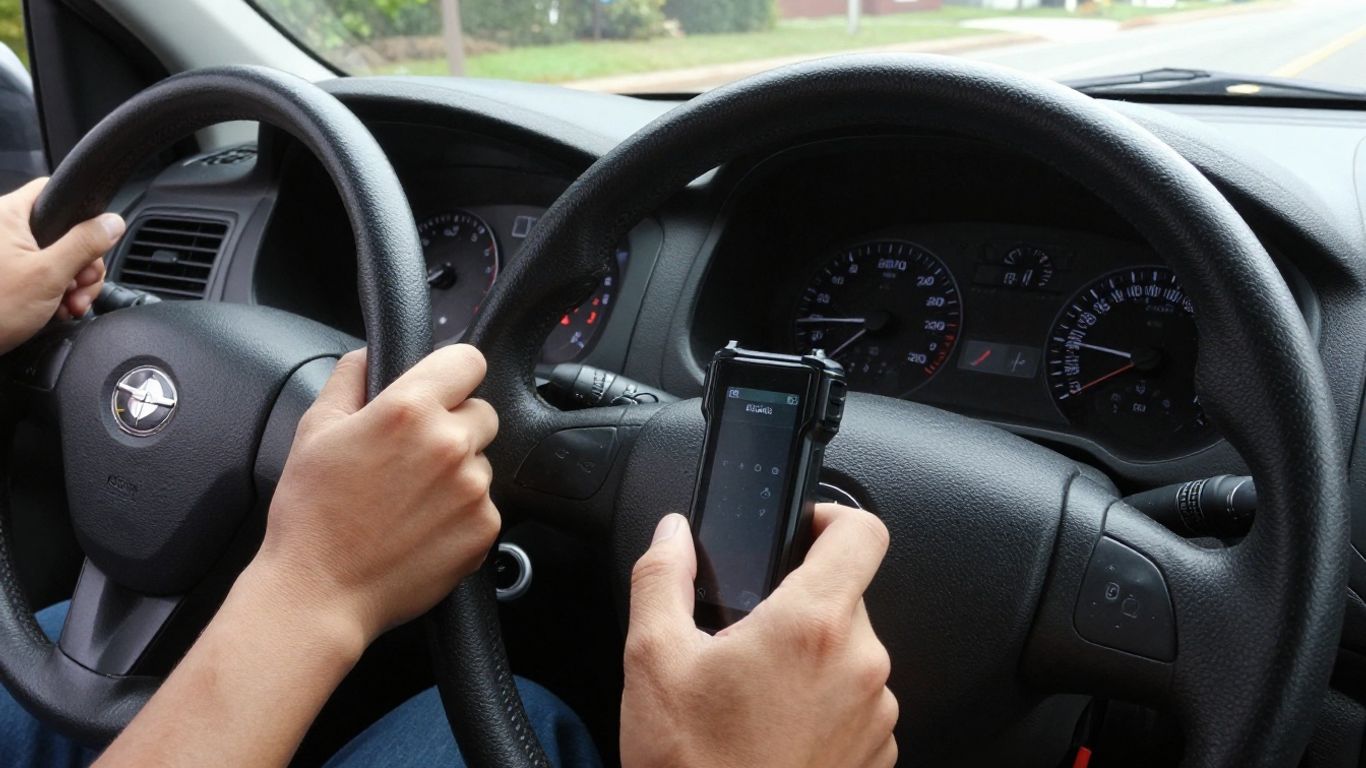
Low voltage can create unstable electronic behavior and may interrupt a relearn. Check that the battery terminals are clean and tight, then confirm that intake, throttle, sensor, and ground connectors are fully seated. If the battery was recently disconnected, verify that no hose or connector was accidentally left loose during the work.
A weak battery should be addressed before interpreting drivability symptoms. Otherwise, the car may appear to have an ECU problem when the underlying issue is inadequate electrical supply.
Allowing the engine to reach normal operating temperature
Start the engine and let it stabilize without repeatedly blipping the throttle. Observe the idle as the coolant temperature rises, and check for warning lights, unusual smells, or obvious leaks. Once the engine reaches normal operating temperature, drive rather than leaving it parked for an extended period.
Never continue if the engine is shaking violently, overheating, or producing heavy smoke. Relearning is secondary to protecting the engine and catalytic converter.
Using a gentle mix of idle, city, and highway driving
Begin with low-load driving and smooth pedal inputs. Include ordinary stop-and-go traffic, moderate acceleration, steady cruising, and controlled deceleration if road and traffic conditions allow. Varying the load gives the ECU opportunities to refine more than one operating condition.
The Flash IPTV Nordic refund policy is unrelated to vehicle diagnosis, just as a freelance course such as Starting From Zero cannot replace service information; avoid treating search results as model-specific automotive instructions. For this job, the owner’s manual and repair data should remain the authority.
Following manufacturer-specific idle or throttle relearn steps
Some vehicles need a defined sequence involving ignition cycles, pedal positions, throttle calibration, or scan-tool commands. The sequence may also change after throttle-body replacement or battery service. Use the exact instructions for the year, engine, and transmission rather than relying on a generic internet procedure.
If the procedure fails, record what happened and scan for codes before trying again. Repeating an unknown sequence can erase useful clues without correcting the fault.
How to diagnose a rough-running engine
Diagnosis should begin after confirming the symptom under safe conditions. Note whether the roughness occurs cold, warm, at idle, under load, or only during acceleration. A few minutes of careful observation can be more valuable than clearing the ECU again.
Reading diagnostic trouble codes with an OBD-II scanner
Connect an OBD-II scanner and record stored, pending, and history codes before clearing anything. Misfire, fuel-trim, throttle, airflow, and sensor codes can point toward different systems, but a code identifies a monitored condition rather than automatically naming the failed part.
Save freeze-frame information when available. Engine speed, coolant temperature, load, and fuel-trim values at the moment of the fault can show whether the problem began during a cold start, idle, or acceleration.
Interpreting misfire, fuel trim, and sensor data
A single-cylinder misfire often directs attention toward that cylinder’s plug, coil, injector, compression, or wiring. Multiple-cylinder misfires may suggest an air leak, fuel-pressure problem, timing issue, or shared electrical fault. Fuel trims that are strongly positive or negative provide context, but they must be read alongside airflow, oxygen-sensor, and temperature data.
Live data is most useful when compared with the actual symptom. A sensor value that looks unusual on its own may be normal for a particular operating state, while a value that fails to change as conditions change deserves closer testing.
Inspecting hoses, connectors, spark plugs, and intake components
Begin with simple physical checks. Look for split rubber, loose clamps, oil-soaked connectors, damaged wiring, poor grounds, and plugs with abnormal wear or deposits. Inspect the intake path between the air filter and throttle body because a crack after the airflow sensor can introduce unmetered air.
Work methodically and take photographs before disconnecting unfamiliar parts. If a component must be removed, keep track of fasteners and seals so a new leak is not introduced during diagnosis.
Comparing symptoms across cold starts, idle, and acceleration
A symptom map often separates relearning from a fixed fault. Record how long the engine runs before the problem appears, whether the tachometer moves, whether the issue changes with electrical load, and whether acceleration makes it better or worse.
For example, a rough cold start that settles when warm may involve temperature enrichment or an intake leak, while a stumble only under load raises more concern about ignition or fuel delivery. This comparison also gives a technician a clearer starting point.
Use the video as general orientation only, not as a replacement for the service procedure or measured test results. A health-related page such as understanding STD test results illustrates the same broader principle: general explanations cannot interpret an individual result without the relevant evidence.
When the problem needs professional attention
A mild, improving roughness can often be monitored through a few normal drive cycles. Persistent or severe symptoms are different. Continuing to drive a car that is actively misfiring can increase repair costs and create a safety problem, especially when power delivery is unpredictable.
Recognizing signs of an active misfire or catalytic converter damage
An engine that shakes strongly, pops through the intake or exhaust, loses power, or smells heavily of unburned fuel may be misfiring. A catalytic converter that becomes excessively hot, glows red, or causes a sharp loss of power may already be damaged or restricted. Stop driving if these symptoms are pronounced.
Even without visible heat, a repeated misfire can send unburned fuel into the exhaust. Prompt testing is safer than hoping additional miles will complete the relearn.
Knowing when flashing warning lights require immediate action
A flashing check-engine light generally indicates a fault severe enough to risk emissions-system damage. Reduce load and stop in a safe location as soon as practical; do not continue a highway journey simply to see whether the light stops. A solid light still deserves attention, but a flashing one raises the urgency.
Also stop if the engine overheats, oil pressure drops, braking changes, or the vehicle enters a severe reduced-power mode. Those conditions are not normal ECU adaptation symptoms.
Understanding when another reset could make diagnosis harder
Clearing codes or disconnecting the battery can erase freeze-frame data and reset readiness monitors. Repeating the reset may make the car feel temporarily different while removing evidence of the original fault. Diagnose and document first whenever possible.
If a reset was already performed, tell the technician exactly when it happened and what changed afterward. That timeline can distinguish a relearn issue from a problem that was present before the reset.
Choosing between a repair shop, dealership, or mobile technician
A general repair shop is often suitable for vacuum, ignition, fuel, and basic scan-tool diagnosis. A dealership may be preferable when the vehicle needs a manufacturer-specific calibration, software update, or proprietary relearn routine. A mobile technician can be convenient for an initial scan and inspection, provided the vehicle is safe to operate and the technician has suitable equipment.
When arranging service, describe the symptoms, warning-light behavior, recent repairs, battery work, and any codes you recorded. A mental energy measurement guide has no bearing on vehicle repair, and neither does an autoimmune treatment resource such as Venturis Clinic; keep unrelated advice separate from automotive evidence.
Conclusion
A rough-running car after an ECU reset may simply be rebuilding its learned settings, but improvement should be gradual and symptoms should remain mild. Give the vehicle a sound battery, normal warm-up, varied gentle driving, and the correct model-specific procedure. If the roughness persists, scan before resetting again and have severe symptoms checked promptly.
Frequently Asked Questions
Is it normal for a car to run rough after an ECU reset?
A mild uneven idle, altered throttle response, or slightly different shifting can occur while the ECU relearns. The symptoms should generally improve over several drive cycles.
How long does an ECU take to relearn?
Many vehicles improve within a few trips, while some may need roughly 50 to 100 miles of mixed driving. The exact requirement varies by vehicle and may be defined by the manufacturer.
Can driving immediately after a reset damage the car?
Normal, gentle driving is usually the intended way for many systems to relearn. Avoid driving if the engine is shaking severely, the warning light is flashing, the vehicle is overheating, or power is significantly reduced.
Should I let the car idle to complete the relearn?
Extended idling usually exercises only a limited range of conditions and may delay broader adaptation. A mixture of warm-up, city driving, steady cruising, and deceleration is generally more useful.
What if the rough idle does not go away?
Scan for stored and pending codes, inspect intake hoses and connectors, and check ignition, fuel, and sensor data. A persistent rough idle usually indicates a fault rather than incomplete relearning alone.
Can an ECU reset fix a vacuum leak or bad spark plug?
No. A reset can clear learned values and codes, but it cannot repair a leak, worn ignition part, failing sensor, injector, or fuel-system problem.
Is a flashing check-engine light safe to ignore after a reset?
No. A flashing light can indicate an active misfire capable of damaging the catalytic converter. Reduce driving and arrange prompt professional diagnosis.