

Key Takeaways
Buying an ECU online in Australia is less about finding the lowest listed price and more about matching the unit, support, and return terms to the vehicle.
- Confirm vehicle, engine, fuel, wiring, and sensor compatibility before ordering.
- Compare new, used, refurbished, and installation-supported options separately.
- Check shipping, warranty, returns, and tuning support rather than judging price alone.
- Use specialist suppliers when the vehicle has unusual motorsport requirements.
- Treat online compatibility tools as a starting point and verify the final part number.
1. Authorized ECU manufacturer websites
An authorized manufacturer website is often the cleanest starting point when you already know which type of engine management system you need. It gives you the manufacturer’s current product information, documentation, and dealer direction in one place. For buyers asking for the best place to buy ECU online Australia, that traceability can matter more than a small discount.
The key advantage is confidence in the product identity. You can compare the stated inputs, outputs, software requirements, and intended application without relying on a shortened marketplace description. It is still wise to confirm whether the site sells directly to Australian customers or directs orders through an approved local channel.
Manufacturer information should not replace a vehicle-specific check. Confirm the exact part number, loom or adapter requirements, crank and cam triggers, transmission arrangements, and any legal restrictions that apply to the finished vehicle before paying. A clear product page is useful, but the complete installation still has to suit the car.
2. Australian performance tuning shops
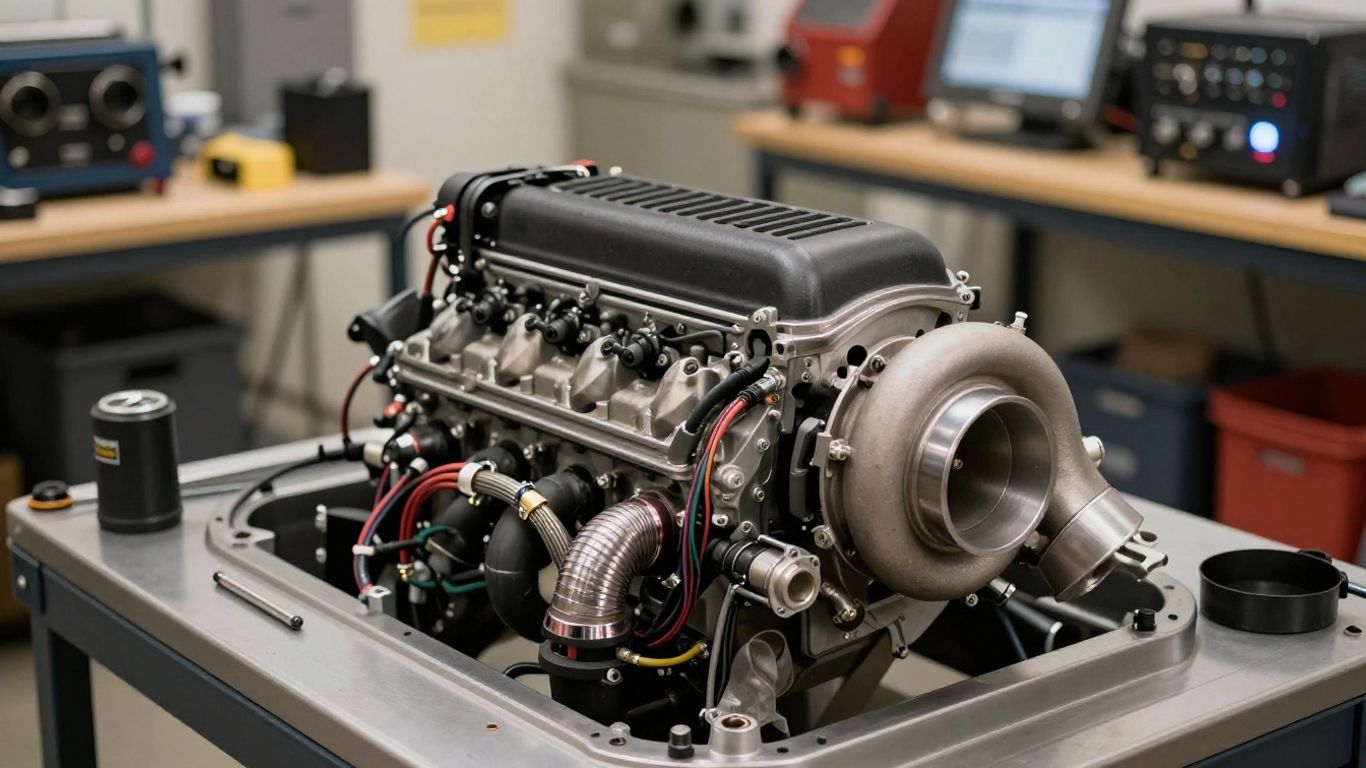
Australian performance tuning shops can be a practical choice when selecting an ECU is only one part of the project. A local shop may be able to discuss the engine combination, wiring condition, sensors, fuel system, and intended use before recommending a purchase path. That conversation can prevent an apparently suitable unit from becoming an expensive mismatch.
The strongest shops separate the ECU purchase from the calibration decision. Ask whether the quoted work includes wiring, base configuration, dyno time, road testing where lawful, fault diagnosis, and follow-up adjustments. Also ask which parts are supplied new and which are carried over from the original installation.
Local expertise is particularly useful for modified cars, conversions, and vehicles with incomplete documentation. Before committing, request a written scope of work and clarify who handles warranty questions if a fault appears after installation. A shop that explains its process plainly is generally easier to work with than one that offers only a headline price.
A short pre-purchase discussion should cover four practical points:
- The engine configuration and intended driving environment.
- Existing sensors, injectors, ignition hardware, and wiring.
- Whether the car needs a plug-in arrangement or custom installation.
- The expected calibration, testing, and aftercare process.
That list keeps the conversation focused on the whole system rather than the ECU casing alone. It also gives you useful information to compare when two tuning shops recommend different approaches.
3. ECU retailers with vehicle-specific compatibility tools
Retailers with vehicle-specific compatibility tools can make online research faster, especially when a car has several engine, transmission, or model-year variations. These tools usually work best when you enter the exact vehicle details rather than relying on a broad model name. They can narrow a catalogue, but they should not be treated as a substitute for reading the product notes.
Check the result against the vehicle identification details, engine code, production year, and existing equipment. A catalogue can identify a likely match while missing a factory immobiliser arrangement, regional wiring difference, or previous conversion. If the tool and the product description disagree, pause the order and ask the retailer to confirm the correct part number.
Compatibility tools are also useful for comparing what is included. Look for notes about connectors, adapters, sensors, mounting hardware, software access, and tuning requirements. The more clearly a retailer explains those dependencies, the less likely you are to discover an extra expense after delivery.
4. Online automotive parts stores
Large online automotive parts stores can be convenient for buyers who want broad stock, familiar checkout systems, and visible delivery estimates. They may list control modules alongside sensors, wiring items, ignition components, and service parts, which can help when an ECU project requires several related purchases. The trade-off is that catalogue descriptions may be brief.
Before ordering, compare the manufacturer part number rather than relying only on the product title. Read the condition statement carefully and check whether the item is new, surplus, opened, or supplied without accessories. Product photographs are helpful, but the written listing should remain the primary reference.
A good parts store should make its returns and warranty process easy to find. Confirm who pays return freight, whether electrical parts have special return conditions, and how a suspected installation fault is assessed. These details are less exciting than advertised performance, yet they can determine how manageable a problem becomes.
5. Specialist motorsport and race ECU suppliers
Specialist motorsport suppliers are suited to projects where ordinary road-car compatibility is not the main concern. Their catalogues may focus on configurable engine management, motorsport wiring, data systems, sensors, and related hardware. Buyers should first establish whether the vehicle is for competition, track use, testing, or road use, because the appropriate product and legal obligations may differ.
These suppliers often expect the customer to understand the engine specification and the intended control strategy. Prepare details about cylinder count, trigger pattern, injectors, ignition, throttle arrangement, fuel type, boost control, and communication requirements. If those details are unavailable, a specialist consultation is usually more valuable than guessing from a generic product photograph.
Race-focused purchasing also calls for realistic planning. A sophisticated ECU can require more setup time, custom wiring, and calibration knowledge than a direct replacement module. Ask about technical documentation, configuration support, replacement availability, and whether the seller can recommend an installer who understands the same type of build.
6. Authorized dealers for Haltech, Link Engine Management, and MaxxECU
Authorized dealers are useful when you want a recognised supply channel but also need help choosing an installation path. The dealer can explain which documented product category fits the project, identify included accessories, and clarify whether local support is available. It is still the buyer’s responsibility to provide accurate vehicle and engine information.
For example, Haltech describes its products as intended for sanctioned, non-emissions-controlled vehicles and states that they are not for public-road use unless a specific regulatory exemption applies. That makes the intended application an essential part of the buying decision, not a footnote to read after checkout. Always check the relevant local requirements before purchasing or installing competition-oriented equipment.
Link Engine Management documents plug-in ECUs for major performance engines, while MaxxECU presents engine control systems ranging from street performance to professional racing. Those descriptions help frame a conversation with an authorized dealer, but they do not by themselves confirm fitment for a particular Australian vehicle. Ask for the exact unit, harness arrangement, and installation requirements in writing.
7. Reputable ECU marketplaces and resellers
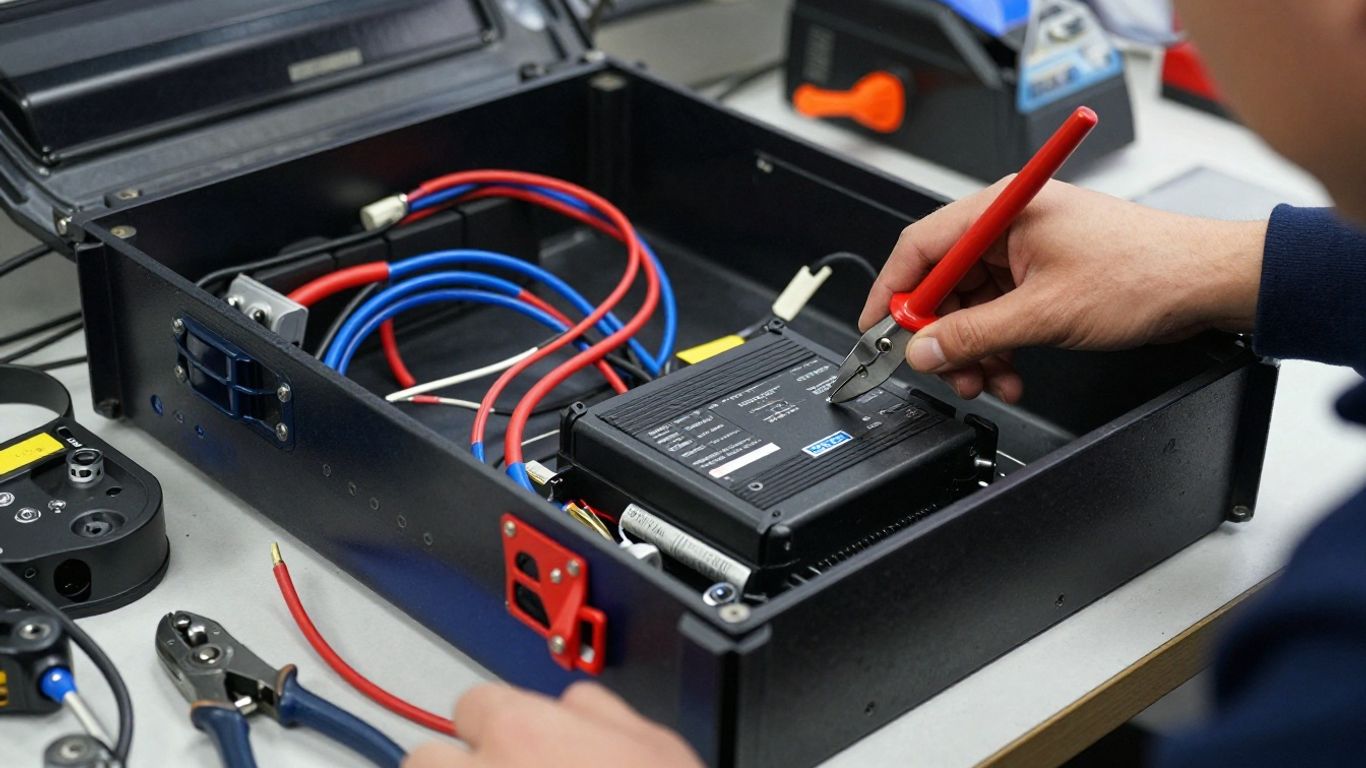
Marketplaces and resellers can offer useful choice, particularly when several sellers carry the same part. They also require more careful checking because the listing quality, seller experience, condition, and return terms can vary from one offer to the next. A polished product title is not enough evidence of compatibility.
Start with seller history, detailed photographs, part-number accuracy, and a clear statement of condition. Ask questions through the platform so the answer remains attached to the transaction. Be cautious when a seller avoids confirming the exact model, omits connector photographs, or uses the same generic description for multiple variants.
Price comparison is most meaningful when the offers are genuinely equivalent. Include shipping, taxes or fees, accessories, warranty length, and return freight in the calculation. A cheaper listing may cease to be cheaper if it lacks a loom, arrives without software access, or cannot be returned after an unsuccessful installation.
8. Used and refurbished ECU sellers
Used and refurbished ECU sellers can make sense for older vehicles or discontinued systems, especially when a new replacement is difficult to source. The lower purchase price comes with a greater need for evidence about storage, testing, repairs, and previous use. Electrical modules can look clean while still carrying an unknown history.
Ask whether the unit was bench-tested, what functions were checked, and whether the seller can provide the original part number. Find out if the casing has been opened, whether corrosion was found, and whether the warranty covers testing after installation. A short written warranty is better than an informal assurance in a message thread.
You should also consider coding, immobiliser matching, and calibration requirements before buying a used module. Some vehicles need configuration or pairing work after a replacement, while a performance ECU may need a fresh setup for the current engine. The seller should tell you what is and is not included so the apparent saving can be judged fairly.
9. ECU suppliers offering tuning and installation support
A supplier that combines ECU sales with tuning or installation support may reduce the number of separate businesses involved in the project. That can simplify responsibility for wiring, setup, testing, and troubleshooting. It does not automatically make the package better, so the inclusions still need to be defined.
Ask whether the price covers the ECU only or also includes the harness, sensors, installation labour, base map, calibration, dyno work, and revisions. For vehicles using supported OBDII aftermarket tuning and diagnostics, HP Tuners documents the MPVI4 device and VCM software suite for diagnostics, data logging, scanning, and calibration. Those are specific documented functions, so the relevant question is whether they match your vehicle and intended job.
A support-led purchase is most valuable when communication continues after the first start-up. Agree on how logs are shared, how faults are reported, and what happens if the vehicle needs additional wiring or a revised calibration. Clear boundaries protect both sides and make the final invoice easier to understand.
A useful quote should identify:
- The exact ECU and every included accessory.
- Installation tasks and any wiring changes.
- Calibration, testing, and revision limits.
- Warranty responsibility for parts and labour.
Read the quote as a project plan rather than a simple product invoice. If an essential task is absent, ask about it before the order is placed instead of assuming it is included.
10. Local Australian retailers with fast shipping and warranty coverage
Local Australian retailers are attractive when delivery time, communication, and straightforward warranty handling matter. Domestic stock can be easier to track, and a local support team may be more familiar with Australian delivery conditions and consumer expectations. Fast shipping is useful, but only when the item is actually compatible.
Check the stated dispatch location, stock status, delivery estimate, and warranty period. Some listings describe a product as available while relying on overseas fulfilment, so look for the difference between “in stock” and “available to order.” Also confirm whether the warranty is handled by the retailer, manufacturer, or installer.
The final comparison should combine price with risk. A slightly higher local price may be reasonable if it includes reliable tracking, accessible advice, and a clear return route. Before pressing buy, save the product page, part number, compatibility notes, and warranty terms so you have a record of what was promised.
Conclusion
The best place to buy ECU online Australia depends on the vehicle, the engine’s changes, the intended use, and the support required after delivery. Compare exact part numbers, compatibility evidence, installation scope, warranty terms, and total landed cost; then choose the seller that makes those details clearest rather than simply choosing the cheapest listing.
Frequently Asked Questions
Is buying an ECU online safe?
It can be safe when the seller provides a precise part number, clear condition information, transparent returns, and verifiable warranty terms. Compatibility should be confirmed before payment, not after installation.
How do I know which ECU fits my vehicle?
Start with the exact model year, engine code, transmission, wiring arrangement, and intended use. Use a compatibility tool as an initial filter, then confirm the result with the product documentation or a qualified installer.
Should I buy a new or used ECU?
A new unit usually offers clearer condition and warranty coverage, while a used unit may suit an older or discontinued vehicle. Compare the price difference with testing evidence, return terms, coding needs, and the risk of unknown previous use.
Does an ECU come ready to install?
Not always. Depending on the vehicle and product, you may need a harness, adapters, sensors, software configuration, wiring changes, or calibration before the car can run correctly.
What should an ECU warranty cover?
Check the warranty period, exclusions, return freight, testing process, and whether installation labour is included. Electrical parts may have special conditions, so read the seller’s written policy carefully.
Is a performance ECU legal for road use?
Legality depends on the product, vehicle, modifications, emissions equipment, and applicable Australian rules. Confirm requirements with the relevant authority and ensure the finished vehicle remains compliant for its intended use.
Should I pay for tuning with the ECU purchase?
Tuning support can be worthwhile when the engine has substantial modifications or the installation is custom. Ask for a written scope covering setup, testing, calibration time, revisions, and any additional wiring or parts.