

Key Takeaways
Choosing among engine control module suppliers Australia requires more than comparing advertised prices. The right decision rests on fitment evidence, testing, support, and the full cost of getting the vehicle running correctly.
- Identify the correct ECU, ECM, or PCM type for the vehicle.
- Confirm module codes, connectors, software, and security requirements.
- Ask how units are tested and what the warranty actually covers.
- Include programming, freight, installation, and return costs in the comparison.
- Prefer a supplier that can explain compatibility and support the installation.
Understand the types of engine control modules available
Engine control modules are not interchangeable simply because they look similar or carry a familiar name. ECU, ECM, and PCM can describe related control computers, but the vehicle’s design determines what the unit manages and how it communicates with other systems. Start by understanding the module category before comparing suppliers or prices.
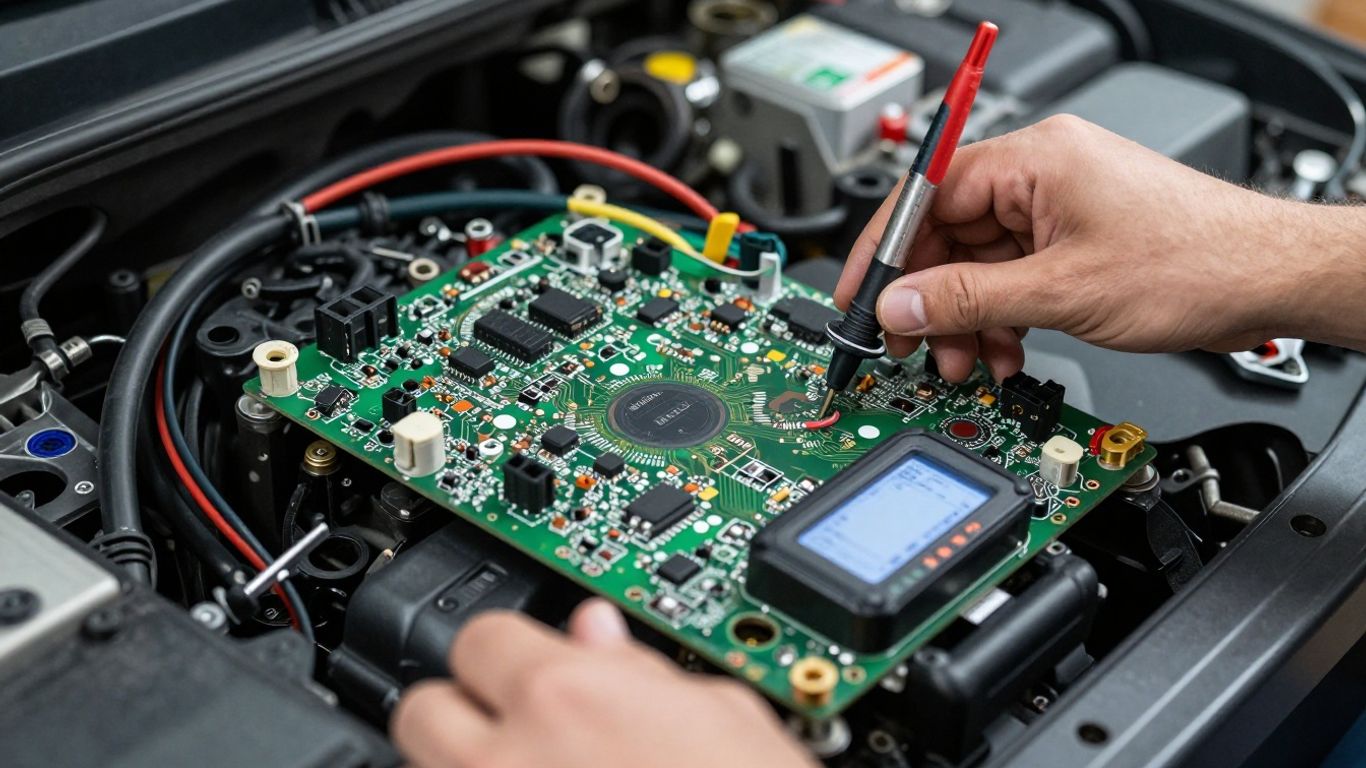
ECU, ECM, and PCM explained
An ECU is a general term for an electronic control unit, while an ECM commonly refers to the engine control module. A PCM may combine engine and transmission control functions in one housing. Terminology varies between manufacturers and sellers, so the label alone is not enough; the module code, vehicle application, and required software matter more.
New, remanufactured, and used control modules
A new module has not previously been installed, whereas a used module is removed from another vehicle and may retain its original programming. A remanufactured unit has usually been inspected, repaired, or rebuilt, but the quality of that process differs between suppliers. Ask what was tested, what was replaced, and whether the unit is supplied ready for installation.
Standard replacement versus performance units
A standard replacement is intended to restore the vehicle’s original control arrangement. Performance units are a separate category and may be designed for motorsport or high-performance applications rather than ordinary replacement work. MoTeC describes its products as advanced engine management and data acquisition systems for motorsport and high-performance applications, so that type of product should be assessed against the vehicle’s intended use, not treated as a routine replacement computer.
Matching modules to vehicle makes and models
Compatibility depends on more than the make, model, and engine size. Production year, transmission, emissions configuration, body variant, module revision, and market specification can all affect fitment. A responsible supplier should ask for enough vehicle information to distinguish close-looking units that are not electrically or electronically interchangeable.
Evaluate supplier expertise and product quality
A reliable supplier should be able to discuss the module as an automotive electronic system, not just as a boxed part. This matters because a failed control unit can resemble a wiring, sensor, power, or communication fault. Look for clear explanations of diagnosis, testing, stock condition, and the limits of any warranty.
Checking automotive electronics experience
Experience is visible in the questions a supplier asks. A specialist will usually want the vehicle identification number, module label, fault symptoms, diagnostic results, and any previous repair history. PEC Australia describes a prompt repair service for Holden VZ V6 ECMs, including specialist electronics engineers and testers, which is the kind of specific automotive-electronics context worth looking for when assessing a repair provider.
Reviewing testing and quality-control processes
Ask whether the module is bench-tested, vehicle-tested, or only checked for visible damage. It is also sensible to ask whether stored faults are cleared, connectors are inspected, and programming is verified before dispatch. Testing evidence matters more than polished listings, particularly when a supplier offers several condition grades.
A useful answer should explain what happens when a unit fails testing and whether extra programming or testing can create an additional charge. Vague assurances are less helpful than a defined process and a written record.
Assessing genuine, aftermarket, and refurbished parts
Genuine parts are supplied through the original equipment chain, while aftermarket units are produced by another manufacturer. Refurbished and remanufactured units can be practical alternatives when their inspection and repair history is documented. Compare the actual part number, condition, inclusions, and warranty rather than assuming that one category is automatically best.
Verifying supplier certifications and technical capabilities
Certifications can indicate formal processes, but they do not replace evidence that the supplier understands the specific module. Ask what equipment is used for diagnosis and whether the business can handle programming, exchange units, or repairs. Technical capability should match the job: a seller of replacement units may not be equipped to diagnose a vehicle-level communication fault.
Confirm compatibility before purchasing
Compatibility checks should happen before payment, not after the replacement arrives. A correct-looking housing can still contain different software, hardware, or security data. Give the supplier complete vehicle and module information, then ask for confirmation in writing.
Using vehicle identification numbers and module codes
The vehicle identification number provides a starting point, while the label on the existing module supplies valuable confirmation. Capture every reference number, revision mark, and connector detail before requesting a quote. These are the basic records a supplier needs to separate a direct replacement from a unit requiring additional work.
A simple pre-quote record should include:
- The vehicle identification number and registration details.
- Make, model, build year, engine, and transmission information.
- Every number printed on the existing module label.
- Diagnostic fault codes and a short description of the symptoms.
This information reduces avoidable back-and-forth and gives the supplier a defensible basis for confirming the proposed unit.
Comparing software, hardware, and connector specifications
Two modules may share a casing while differing in circuit boards, connector pinouts, firmware, or calibration. Compare the supplier’s stated application with the original module rather than relying on photographs. If the replacement is an exchange or refurbished unit, ask how its software is matched to the vehicle.
Identifying immobiliser and anti-theft requirements
Some vehicles require security data to be matched before the engine will start normally. The process may involve a security relearn, coding, data transfer, or an authorised programming procedure. Ask who performs that work, what information is needed, and whether the quoted unit is supplied in a condition suitable for the vehicle’s anti-theft system.
Determining whether programming or calibration is needed
Programming requirements vary by vehicle and module type. A supplier should distinguish between a plug-and-play repair, a pre-programmed replacement, and a unit that must be configured after installation. Do not assume that a physically compatible part will operate correctly without calibration or variant coding.
Compare pricing, warranties, and total ownership costs
The cheapest listing is rarely a complete comparison. A quote may cover only the module, while another may include testing, programming, freight, or a return facility. Put each offer into the same cost frame before deciding.
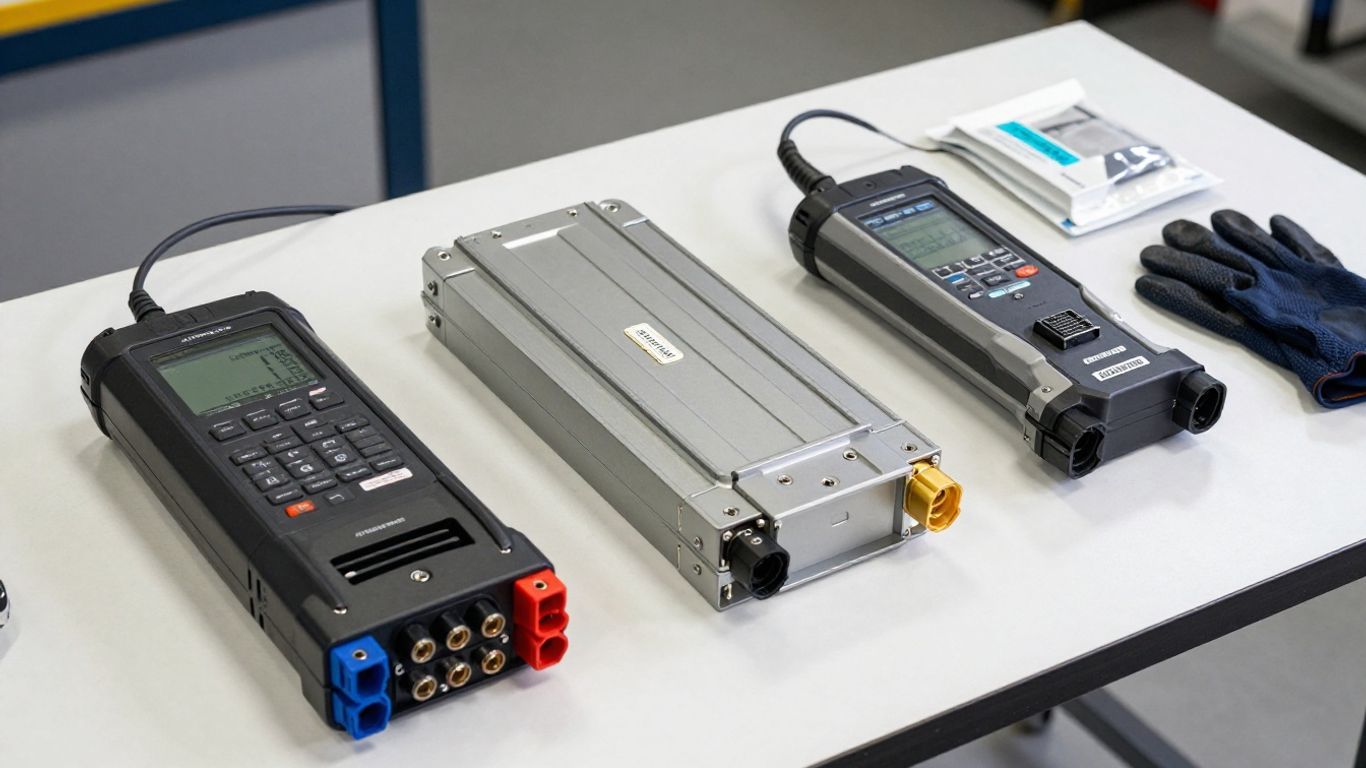
Understanding what is included in the quoted price
Request an itemised quote that separates the module price from services and delivery. This makes it easier to compare a repaired original unit with an exchange unit or a replacement supplied from another location. It also exposes costs that might otherwise appear only after the order is placed.
| Cost item | Question to ask | Why it matters |
|---|---|---|
| Module | Is it new, used, or remanufactured? | Condition affects risk and expected service life. |
| Programming | Is configuration included? | The vehicle may not run correctly without it. |
| Freight | Is delivery to the Australian address included? | Shipping can materially change the final price. |
| Returns | What happens if diagnosis changes? | A clear process limits unnecessary loss. |
Read the quote as a complete job price, not merely a part number with a dollar figure beside it. That approach gives workshops and private owners a more realistic basis for comparison.
Comparing warranty coverage and return policies
A warranty should state its duration, covered failure, exclusions, and claim process. Check whether labour, programming, freight, and diagnostic fees are excluded. Also ask whether the warranty applies to the supplied module only or depends on installation by an approved technician.
Factoring in programming, freight, and installation costs
The total cost can include diagnosis, removal, fitting, coding, calibration, freight, and the return of a core or faulty unit. For an exchange module, confirm whether the original must be sent back and whether a deposit applies. These details are especially relevant when the vehicle is off the road and delivery speed has a direct practical cost.
Recognising risks associated with unusually low prices
An unusually low price may reflect a used unit, incomplete programming, limited testing, no meaningful warranty, or an incorrect application. It is not automatically a bad offer, but it deserves more questions. Compare what is included and whether the supplier can explain the condition and fitment with confidence.
Assess local support and purchasing options
Local purchasing is not only about where a parcel ships from. It is also about whether someone can answer a technical question, interpret a failed test, and help resolve a mismatch. Australian delivery, communication hours, and return logistics can all influence the practical value of a supplier.
Australian delivery times and stock availability
Ask whether the module is physically in Australian stock or ordered after payment. Confirm the dispatch time, estimated transit, and any core-return requirement before committing. If the vehicle is needed for work, a realistic delivery estimate is more useful than a general promise of fast shipping.
Technical support for diagnosis and installation
Good technical support begins before installation by checking whether the original fault has been diagnosed correctly. It should also clarify connector handling, programming steps, and what information to provide if the replacement does not communicate. A supplier that can explain the next diagnostic step is more useful than one that simply sends another part.
Repair, cloning, and reprogramming services
Repair, cloning, and reprogramming are different services and should not be treated as interchangeable. Injectronics describes ECM repair across several module types, use of an in-house Virtual Automotive Simulator for testing, exchange-unit programming, variant coding, and cloning for some water-damaged units. Those documented services illustrate why the exact remedy should be matched to the failure and vehicle requirement.
Ask whether the original unit must be supplied, whether the service is bench-based or vehicle-based, and whether programming is included. A clear scope prevents a repair request from quietly becoming a more expensive replacement job.
Replacement support for discontinued modules
Older vehicles may have limited access to new original modules. In that situation, a tested used or remanufactured unit, an exchange service, or a repair of the existing module may be more realistic. Confirm whether the supplier can identify an approved alternative and explain any additional programming or security work before ordering.
Choose the right supplier for your application
The best supplier depends on the vehicle, the owner’s time constraints, and the complexity of the repair. A workshop may need repeatable sourcing and technical escalation, while a private owner may value clear instructions and a straightforward return path. The same evaluation questions apply, but their priorities differ.
Questions to ask before requesting a quote
Prepare the vehicle and module details first, then ask focused questions. This helps the supplier provide a useful answer rather than a generic catalogue price. It also gives you a record to compare when several quotes appear similar.
Ask whether the unit is tested, what condition it is in, whether programming is included, and what happens if it is not compatible. Confirm delivery timing, warranty terms, return freight, and any required core exchange. Finally, ask what diagnosis the supplier needs before recommending a module.
Comparing specialist suppliers with general auto-parts retailers
A general retailer may be convenient for common replacement parts, but specialist suppliers can be better placed to discuss electronic testing, coding, repairs, and module history. Neither label guarantees a good result. Judge the supplier by the specificity of its fitment process, the transparency of its quote, and the support available after delivery.
Selecting suppliers for workshops, fleets, and private owners
Workshops and fleets often need consistent part identification, predictable turnaround, and documentation for repeat jobs. Private owners may need more help understanding whether the fault is actually inside the module. In both cases, choose a supplier that sets out responsibilities clearly and can communicate what happens if the first diagnosis proves incomplete.
Red flags that may indicate an unreliable supplier
Be cautious when a seller avoids requests for the module code, cannot state the unit’s condition, or promises compatibility from only a vehicle model and year. Other warning signs include unexplained fees, unclear warranty exclusions, pressure to pay before fitment is confirmed, and no practical return procedure. A professional answer may not always be the cheapest, but it should be specific.
Conclusion
Reliable engine control module sourcing comes from matching the exact vehicle and module, checking how the unit was tested, and comparing the complete ownership cost. Take time to confirm programming, security, delivery, warranty, and support before placing an order, and the shortlist of engine control module suppliers Australia becomes much easier to judge.
Frequently Asked Questions
What is the difference between an ECU, ECM, and PCM?
The terms often overlap, but an ECU is a broad term, an ECM commonly controls the engine, and a PCM may combine engine and transmission functions. The vehicle’s documentation and module code provide the reliable identification.
Should I buy a new or remanufactured control module?
That depends on availability, budget, and the supplier’s testing and warranty. A remanufactured unit can be suitable when its repair process, compatibility, and programming requirements are clearly documented.
Can a used engine control module be installed directly?
Not always. A used module may retain security or vehicle-specific data and may require programming, coding, or calibration before the vehicle operates correctly.
What information should I give a supplier?
Provide the vehicle identification number, make and model, build year, engine and transmission details, module label numbers, diagnostic codes, and a concise description of the symptoms.
How can I compare supplier warranties?
Compare duration, covered failures, exclusions, installation conditions, return deadlines, and responsibility for freight or programming. A longer warranty is not useful if its exclusions are too broad.
Do control module suppliers provide diagnosis?
Some suppliers offer testing or repair services, while others only sell replacement units. Confirm the service scope before sending a module or assuming that a replacement will resolve the vehicle fault.
What should I do if the replacement module does not work?
Stop replacing parts and return to the documented diagnostic process. Contact the supplier with the test results, installation details, codes, and module references, then follow the stated warranty or compatibility procedure.