

Key Takeaways
A failed engine computer is only one possible cause of starting, running, or communication problems. Confirm the fault before choosing a replacement, and check compatibility before buying a unit.
- Symptoms such as a no-start or rough running can also come from wiring, sensors, power supply, or other components.
- A new, used, remanufactured, or repaired unit may suit different circumstances; none should be chosen without confirming the fault.
- The total cost can include diagnosis, the control unit, labour, and coding or programming.
- Compatibility depends on more than the BMW model name: part number, hardware, software, engine, and transmission can all matter.
- Ask for a written quote that explains the proposed work, any programming, and warranty terms.
What the BMW engine computer does and when it may need replacement
The engine computer is a control unit that helps manage engine operation, and BMW terminology can vary by engine and model. A suspected fault deserves careful diagnosis because several other vehicle problems can produce similar symptoms. For anyone considering BMW engine computer replacement Australia-wide, confirming the cause first can prevent the expense and delay of fitting a part that was never faulty.
How the ECU, DME, and DDE control engine operation
ECU is a broad term for an electronic control unit. BMW vehicles may also use the terms DME for a petrol engine management unit and DDE for a diesel engine management unit. These units process information from the vehicle and manage engine functions; the exact systems and naming depend on the vehicle. That is why a technician should identify the installed unit using the vehicle details and diagnostic information rather than relying on a general label alone.
Symptoms that can point to an engine computer fault
A faulty control unit can be one explanation for a no-start, intermittent stalling, unusual engine operation, warning lights, or a diagnostic tool that cannot communicate with the unit. None of these symptoms proves the ECU itself has failed. A similar fault pattern can arise from a weak battery, damaged wiring, a failed sensor, or a problem elsewhere in the vehicle. The useful clue is not just what the car does, but whether testing can connect that behaviour to the control unit.
Other problems that can mimic ECU failure
Before replacing a computer, a technician may need to check its power and earth connections, the battery, fuses, wiring and connectors, and related sensors. A communication fault, for example, can involve a supply or network issue rather than a defective ECU. This is a useful point to keep in mind when searching online: car shipping cost estimates describe a different kind of quote and do not establish what an ECU repair should cost. A fault should be assessed on the car and the evidence available, not inferred from a symptom list.
How diagnostic testing helps confirm the cause
A diagnostic scan can show stored fault codes and whether the relevant module communicates, but a code is a lead to investigate, not a verdict. A technician may combine the scan with circuit checks, visual inspection, and tests of the unit’s power supply. A confirmed fault matters: it helps distinguish a failed computer from a repairable wiring or connection problem. If the evidence points elsewhere, replacing the ECU may not resolve the original symptom.
Replacement options for a faulty BMW engine computer
Once testing supports an ECU fault, the next decision is whether to repair the existing unit or source a replacement. The options vary in availability, condition, cost, and how much matching or programming is needed. A suitable choice depends on the specific vehicle and the fault, not simply whether a unit is advertised as a BMW ECU.
New, used, and remanufactured control units
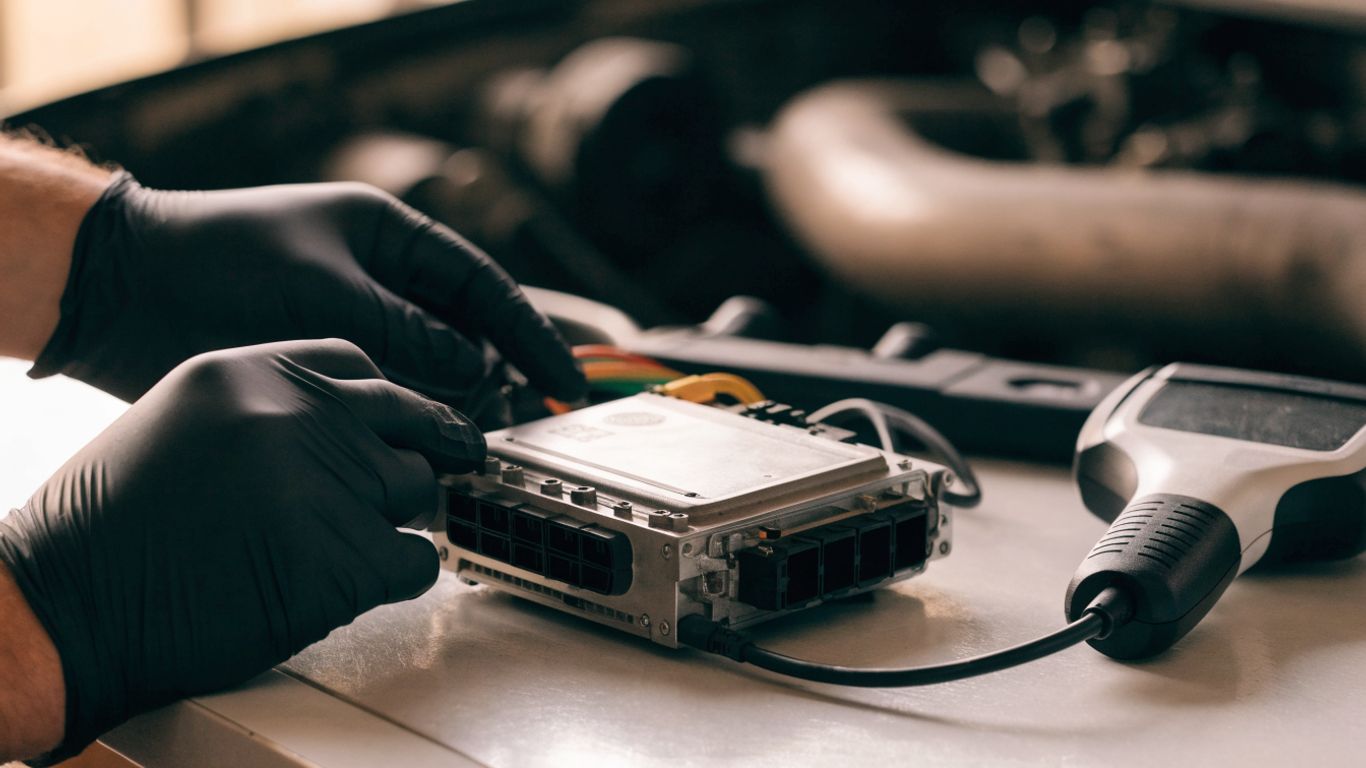
A new unit may be available through an appropriate parts channel, while a used unit comes from another vehicle and a remanufactured unit has been reconditioned. The labels alone do not settle whether a part suits a particular BMW or what work it still needs. Ask for the unit’s identifying numbers, condition, included warranty, and any required data transfer or programming. A used BMW control unit listing is an example of why the exact module and vehicle generation should be checked before treating a listing as a match.
Repairing the original unit versus replacing it
If the original unit can be repaired, keeping it may avoid some of the matching issues associated with a different unit. Repair is not always possible, and the best route depends on inspection findings, the nature of the fault, and parts availability. A technician should explain whether the original unit will be tested first and what happens if it is found to be beyond repair. That gives you a clear decision point before committing to a replacement.
Choosing a plug-and-play or vehicle-specific ECU
“Plug-and-play” is a description to verify, not a guarantee that a unit can simply be installed in any BMW. A replacement may need to match the original hardware and be configured for the car. When a listing says no extra work is needed, ask what vehicle details and part-number checks support that claim and whether the seller will confirm compatibility in writing. A part that physically fits may still be unsuitable electronically.
When a replacement may need coding or programming
Depending on the vehicle and replacement unit, coding, programming, or data transfer may be required before everything works as intended. The exact steps cannot be assumed from the model badge alone. Ask the workshop to specify which work is included and whether it will be completed after installation. This avoids discovering after purchase that the unit itself was affordable but the required setup was not part of the quoted price.
BMW engine computer replacement costs in Australia
There is no single national price for this job: the vehicle, fault, part source, and required setup all affect the quote. It is useful to separate diagnosis from parts and installation so an estimate is easier to compare. A detailed quote can also clarify whether the workshop recommends repair or replacement and what evidence supports that choice.
Parts, labour, diagnosis, and programming costs
The total may include an initial diagnostic assessment, the control unit, removal and installation, and any required coding or programming. Some jobs also involve shipping or additional checks if the first diagnosis does not confirm the cause. The table below is a practical way to see which line items to ask about; it is not a price list, because the amounts depend on the specific vehicle and work.
| Quote item | What to clarify |
|---|---|
| Diagnosis | What tests are included and whether the fault was confirmed |
| Control unit | New, used, remanufactured, or repaired; exact part number |
| Labour | Removal, installation, and any additional workshop work |
| Programming | Whether coding, data transfer, or setup is required and included |
Comparing estimates is easier when each quote covers the same work. An online car shipping cost calculator illustrates how estimates can depend on the details entered, but it is not a guide to ECU pricing; ask the workshop to explain its own assumptions and line items.
Factors that affect the price across BMW models
Costs can differ with the BMW’s model, year, engine and transmission, as well as the type of control unit and its availability. A straightforward replacement is not the same job as sourcing a hard-to-find unit and arranging additional programming. The condition of surrounding wiring or connectors can also change the work required. This is why a quote based only on a broad model description may need revision once the VIN and fault details are checked.
How used and refurbished units can change the total
A used or remanufactured control unit may have a different purchase price from a new one, but the headline price is only part of the decision. Compatibility checks, data transfer, coding, testing, delivery, and warranty conditions all affect the overall value. Ask whether a quoted part has been tested and what remedy is available if it proves unsuitable. A lower initial price is not necessarily a lower completed-job cost.
Questions to ask for a clear written quote
Before approving the work, ask for the estimate to separate the main charges and state what is known versus still to be confirmed. If comparing quotes, use the same questions for each workshop:
- Has testing confirmed that the ECU itself is faulty?
- What is the exact part number and condition of the proposed unit?
- Are removal, installation, and required programming included?
- What warranty applies to the part and the labour?
A written answer makes it easier to understand the total and compare like with like. For example, the Alabama property lead guide concerns a separate topic entirely; it is not a source for Australian automotive costs. Keep the quote focused on the BMW and the work actually proposed.
Checking ECU compatibility with your BMW
A unit that looks similar or came from a BMW with a similar description is not automatically interchangeable. Compatibility needs to be checked against the vehicle and the control unit, including relevant hardware and software details. Providing the VIN and the part number from the original unit gives a workshop a more reliable starting point than a model name alone.
Matching the part number and hardware version
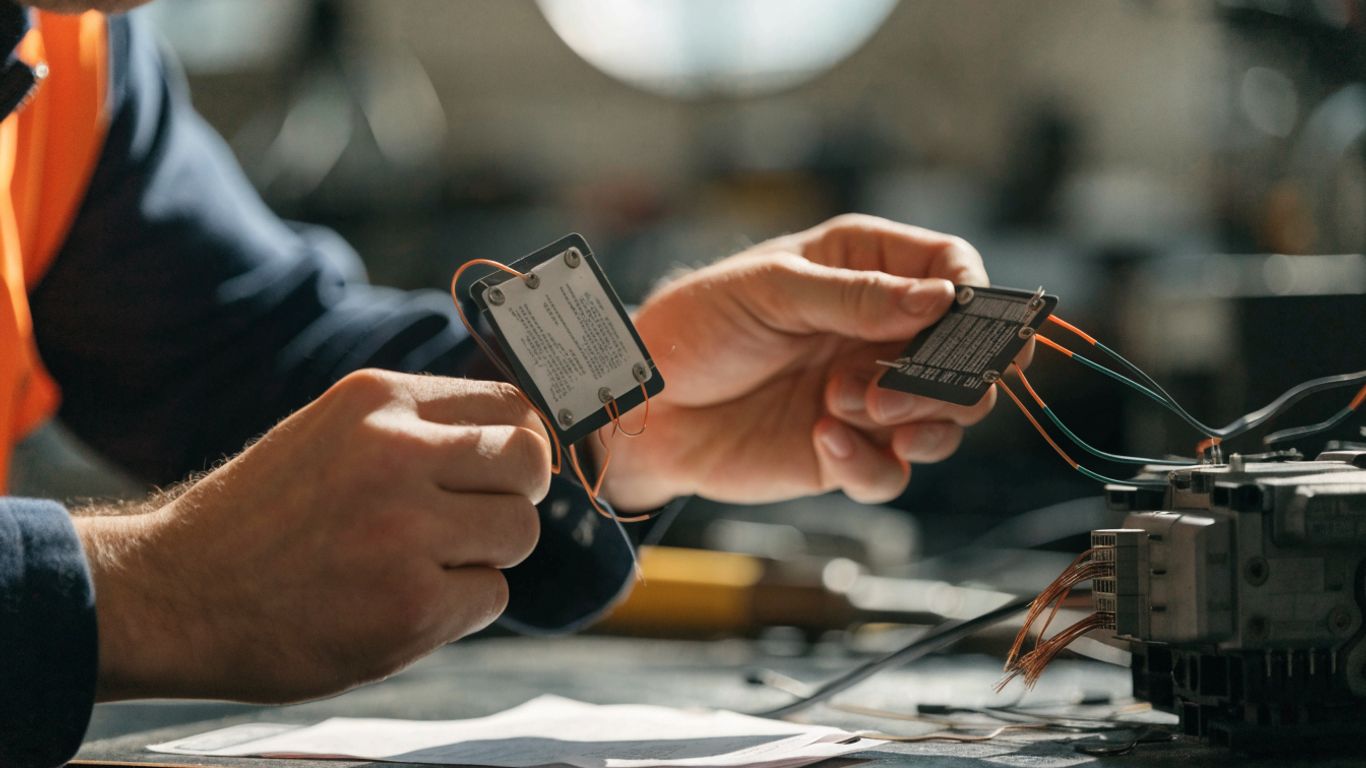
Start with the part number and hardware identification on the original unit, where available. There may be revisions or related numbers that require a specialist to verify rather than a casual visual comparison. Ask the parts supplier or workshop to confirm the proposed unit against the car’s details before purchase. If the original label is damaged or inaccessible, the technician may be able to identify the required unit through vehicle records and diagnostic work.
Confirming compatibility by model, year, and engine
The model and year help narrow the search, but the engine variant and other vehicle specifications can matter too. Two cars from the same model range may use different control units. Provide the VIN, engine details, and any available part number so the supplier can check the actual application. Confirm the match before ordering, particularly when buying a used unit that may have come from a different configuration.
Checking software, emissions, and transmission specifications
The vehicle’s software configuration and other specifications may affect whether a control unit is suitable. Depending on the BMW, emissions equipment and transmission configuration can also be relevant to the match. Ask the workshop to explain which details it has checked and whether the replacement needs programming to suit the vehicle. That is more dependable than assuming that a shared engine family or connector shape is enough.
Why a unit from a similar BMW may not be interchangeable
A similar model, engine, or year does not guarantee the same hardware revision or software configuration. A donor vehicle may also have a different transmission or equipment specification. These differences can mean that a unit needs additional work or is not appropriate for the car at all. A BMW diesel engine control unit listing illustrates why buyers should confirm the exact application and any stated data-transfer or coding requirements rather than relying on the word “BMW” in a listing.
What to expect during the replacement process
The process usually begins with confirming the fault and ends with checking how the car behaves after the work. The exact steps depend on the vehicle and whether the original unit is repaired or replaced. Before authorising a job, ask the workshop what it plans to test, what it will fit, and how it will verify the result.
Pre-replacement fault scans and battery checks
A pre-replacement scan records available fault information and may help establish whether the control unit communicates. The technician may also check battery condition, connections, fuses, wiring, and relevant circuits so a supply problem is not mistaken for ECU failure. Keep a record of scan results where possible. The information can help the workshop explain why it recommends repair or replacement and can provide a comparison after the work.
Removing the original control unit safely
The control unit’s location and access method vary across BMW models. A workshop should follow the appropriate vehicle-specific procedure, take care with electrical connections, and protect the unit and surrounding components during removal. The original part should be kept available for identification or possible repair unless another arrangement has been agreed. Ask whether any retained data or identification details will be needed for the replacement process.
Installing, coding, and programming the replacement
After confirming the part, the technician installs it and completes any coding, programming, or data transfer required for that vehicle. What is necessary depends on the unit and the BMW, so there is no universal sequence that applies to every replacement. A clear job plan will state whether the workshop is supplying the unit or fitting one you have sourced. Agreeing on that distinction in advance can prevent confusion about responsibility if compatibility becomes an issue.
Post-installation testing and clearing fault codes
After installation, the workshop should check communication with the replacement unit and assess whether the original complaint has been resolved. It may clear relevant fault codes after recording them, then re-scan or test the vehicle as appropriate. Clearing codes alone does not show that a repair has worked. Ask what checks were completed and whether any remaining faults need separate attention.
Choosing a BMW ECU specialist in Australia
The right workshop should be able to explain its diagnosis, compatibility checks, and proposed work in plain terms. Experience with BMW-specific fault information and the equipment needed for the job can help, but a confident answer should still be supported by testing. If you are weighing a local visit against sending a unit away, compare the complete process, including transport, turnaround expectations, and warranty.
Looking for BMW-specific diagnostics and programming tools
Ask what diagnostic process the workshop will use and how it will verify the proposed replacement for your vehicle. It should be able to explain what the scan can establish and where further circuit or component testing is needed. If programming is part of the quote, ask whether that work is included and who is responsible for completing it. Specific answers are more useful than a general promise that a unit will fit.
Checking warranty terms for parts and labour
Warranty terms can differ for a new part, a used unit, a remanufactured part, or a repair to the original. Check the length of cover, what it applies to, and whether labour or removal costs are included if a problem returns. Ask about any conditions that could affect coverage, such as how the unit is installed or programmed. Keep the written terms with the invoice so you know what was agreed.
Comparing local workshops with mail-in repair services
A local workshop can inspect the vehicle and investigate related wiring or power-supply issues in person. A mail-in service may be an option when the unit can be removed and assessed separately, but the car will still need to be diagnosed and may require fitting or programming afterwards. Ask who performs each step, how the part is identified, and what happens if testing finds another fault. For example, an Australian gambling restrictions page is not a source for ECU work; look for automotive information that directly addresses your vehicle and the service being offered.
Preparing your VIN, fault codes, and service history
Before contacting a specialist, gather the VIN, model and engine details, any scan report or fault codes, and a brief account of when the symptoms occur. Note recent battery issues, repairs, or changes that might help the technician understand the timeline. Keep the original unit’s part number if it is available. Good information will not replace testing, but it can help the workshop ask better questions and provide a more useful initial response.
A web search may also return pages about persistent UTI care or toilet repair advice; these address unrelated problems, not BMW diagnostics. Keep decisions about your car grounded in vehicle-specific testing and a quote that explains the proposed work.
Conclusion
BMW engine computer replacement is best treated as a diagnosis-first job: confirm the fault, verify the replacement against the vehicle, and understand the full cost of parts, labour, and programming before authorising work. A clear written explanation can help you choose an option with fewer surprises and a better chance of addressing the original problem.
Frequently Asked Questions
What is a BMW engine computer?
It is an electronic control unit involved in managing engine operation. BMW terminology and the specific unit fitted vary by model and engine.
Can a faulty sensor cause symptoms that look like ECU failure?
Yes. Wiring, sensors, battery supply, fuses, and other components can produce similar symptoms, so testing is needed to identify the cause.
Does a replacement ECU always need programming?
Not always, but some replacement units may require coding, programming, or data transfer. Confirm the requirements for the specific vehicle and unit before purchase.
Can I fit a used BMW engine computer?
A used unit may be an option if its compatibility is confirmed. It may also need additional setup, so check the part number, vehicle application, and programming requirements first.
How long does engine computer replacement take?
Timing depends on diagnosis, part availability, and whether programming or additional repairs are needed. Ask the workshop for an estimate once it has assessed the vehicle and confirmed the work.
What information should I provide when requesting a quote?
Share the VIN, model and engine details, any available fault codes, the symptoms, and the original unit’s part number if accessible. Include relevant service or repair history where possible.
What should a written replacement quote include?
It should identify the proposed part and its condition, diagnosis, labour, required programming, warranty terms, and any costs that may change if further faults are found.